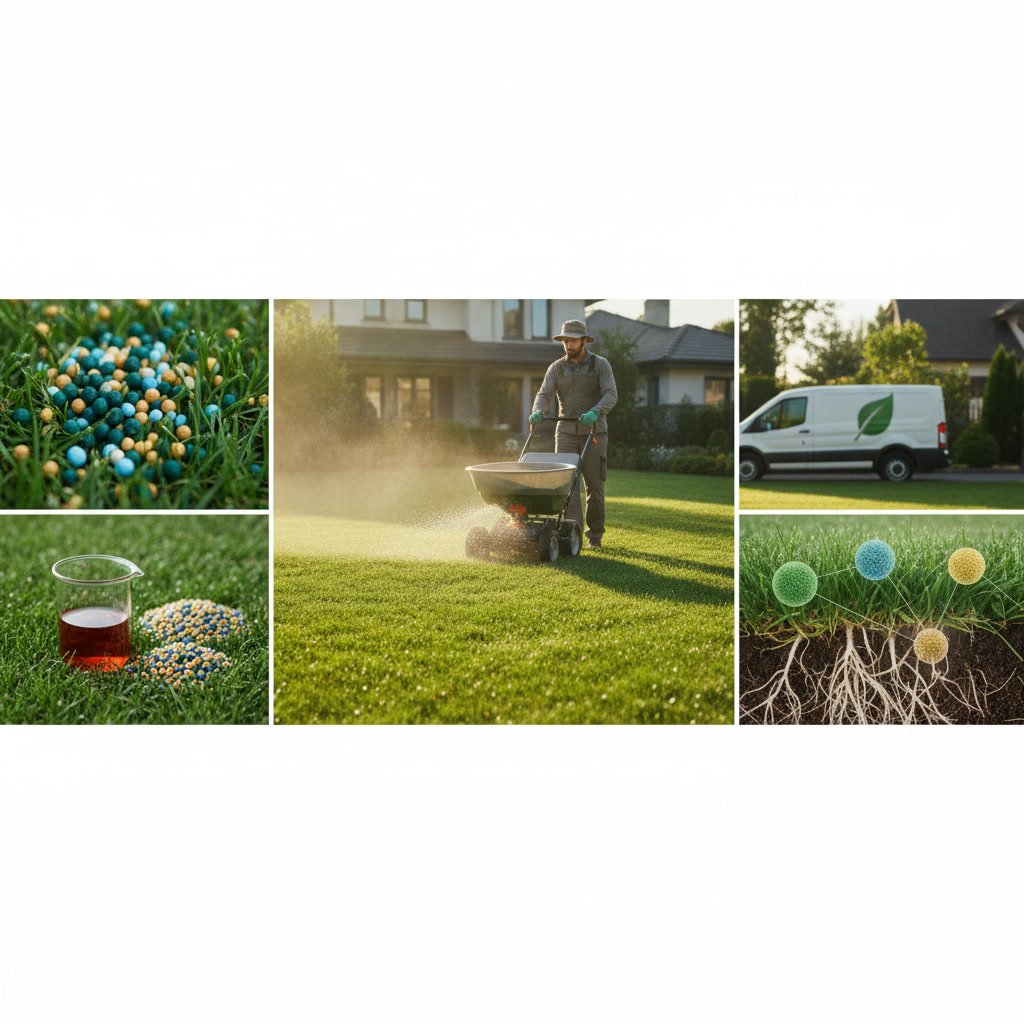
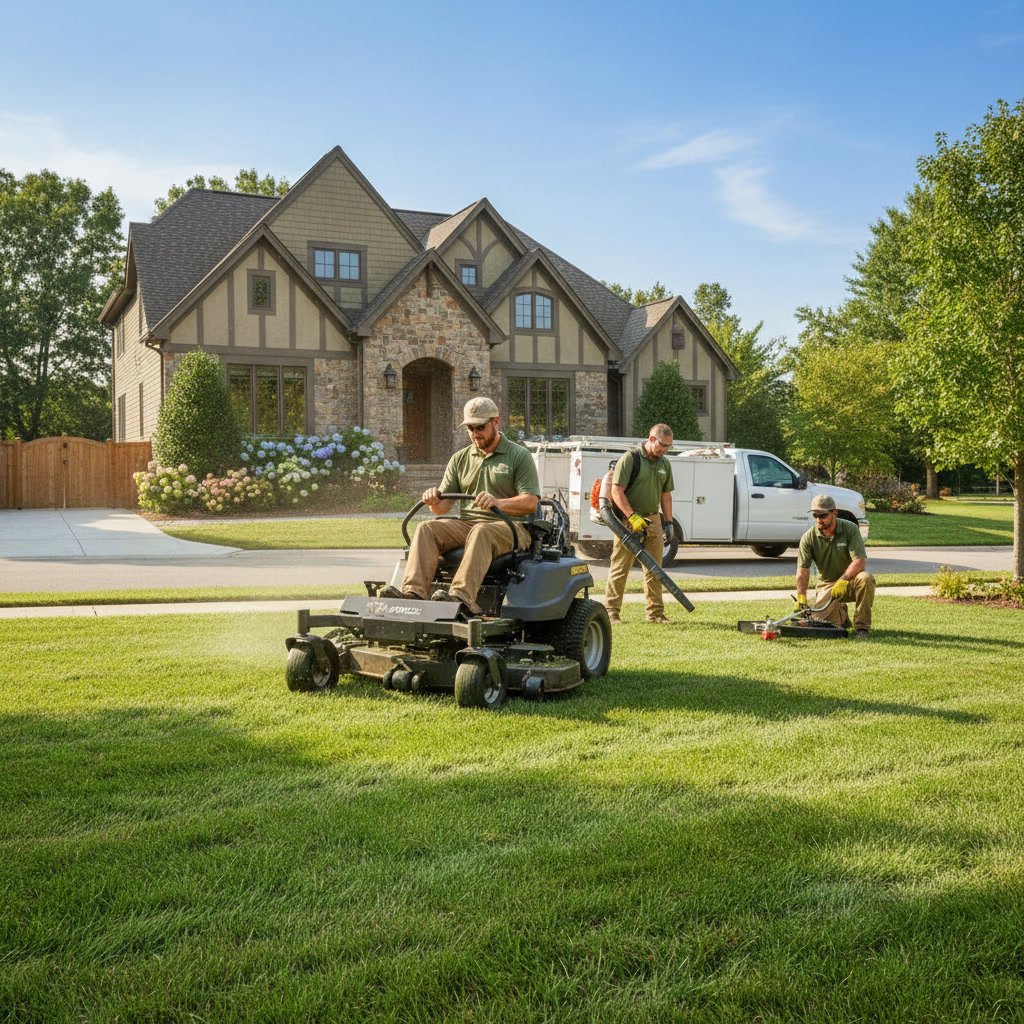
A professional lawn care service involves far more than just mowing grass. From soil analysis and precise nutrient application to weed control and seasonal adjustments, trained technicians follow a systematic approach to keep your yard healthy year-round. Understanding each step helps property owners make informed decisions about maintaining their outdoor spaces.
Why Lawn Maintenance Requires Specialized Knowledge
Lawns are living ecosystems that respond to soil chemistry, weather patterns, pest populations, and seasonal cycles. Each grass species thrives under different conditions, and what works for Kentucky bluegrass fails miserably on fine fescue. Professionals study turf science, local climate patterns, and pest lifecycles to deliver results that casual weekend mowing cannot match.
Most homeowners lack the equipment, time, and training to diagnose early signs of disease or nutrient deficiency. A lawn technician spots dollar spot fungus before it spreads, identifies grub damage while populations remain manageable, and adjusts fertilizer ratios based on actual soil test results rather than guesswork.
The Initial Property Assessment
Before any mower touches grass, trained technicians walk the entire property to document existing conditions. They note bare patches, drainage problems, shade patterns, soil compaction zones, and signs of pest activity. This inspection creates a baseline that guides every future treatment.
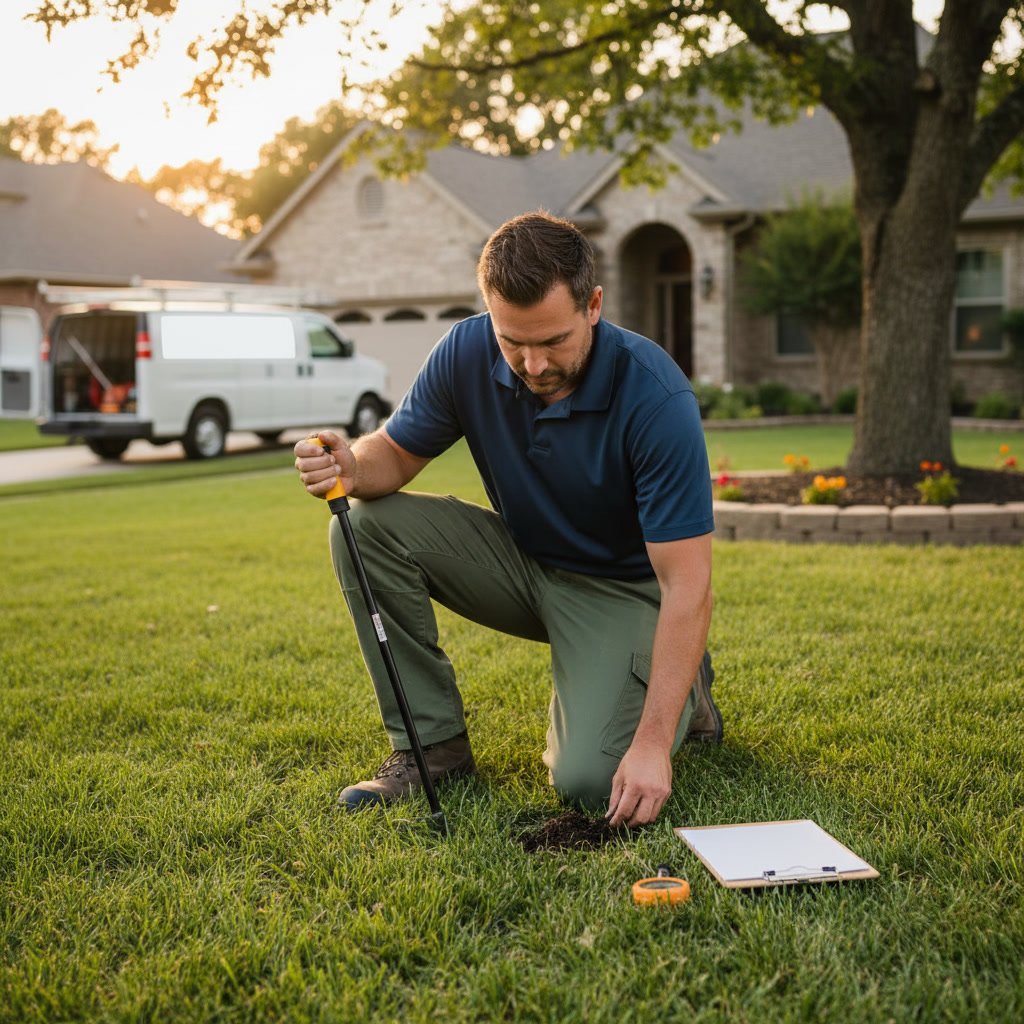
Soil sampling typically occurs during this first visit. Technicians collect samples from multiple zones, especially areas where grass struggles. Lab analysis reveals pH levels, nitrogen content, phosphorus and potassium ratios, and micronutrient deficiencies. A soil pH of 5.8 requires lime application, while a pH of 7.5 needs sulfur to bring the lawn into the optimal 6.0 to 6.8 range where grass absorbs nutrients efficiently.
Step-by-Step Breakdown of a Standard Service Visit
Each maintenance visit follows a proven sequence designed to maximize results while protecting turf health.
1. Mowing and Height Adjustment
Technicians set blade height based on grass type and season. Cool-season grasses get cut to 2.5 to 3.5 inches during spring and fall, raised to 3.5 to 4 inches in summer heat. Cutting too short stresses roots and invites weeds. Sharp blades make clean cuts that heal quickly, while dull blades tear grass tips and create entry points for disease.
2. Edging and Trimming
Edges along sidewalks, driveways, and beds receive precision trimming. This detail work defines property lines and prevents grass from creeping into flower beds or over pavement.
3. Debris Removal
Clippings either get bagged or mulched back into the turf. Mulching returns nitrogen to the soil, but only when grass is dry and clippings are short. Wet clumps smother grass and encourage fungal growth.
4. Targeted Treatments
Fertilizer, weed control, or pest management products get applied according to the seasonal plan. Spot treatments address isolated problems without treating the entire lawn unnecessarily.
Fertilization Programs and Nutrient Management
Professional fertilization goes beyond dumping generic 10-10-10 across the yard. Technicians apply products formulated for specific seasons and soil conditions. Spring applications emphasize quick-release nitrogen for green-up and root development. Summer formulas use slow-release nitrogen that feeds grass steadily without spurring excessive top growth that demands constant mowing.
Fall fertilization builds root mass and carbohydrate reserves that help grass survive winter and green up faster in spring. A typical program includes four to six applications timed to grass growth cycles, not calendar dates. Applying fertilizer when grass is dormant wastes product and risks runoff into waterways.
Weed Control Strategies That Actually Work
Effective weed management combines pre-emergent and post-emergent herbicides with cultural practices that favor grass over weeds. Pre-emergent products create a chemical barrier in the top inch of soil that stops crabgrass, goosegrass, and other annual weeds from germinating. Timing matters critically because these products must be in place before soil temperatures reach 55 degrees for three consecutive days.
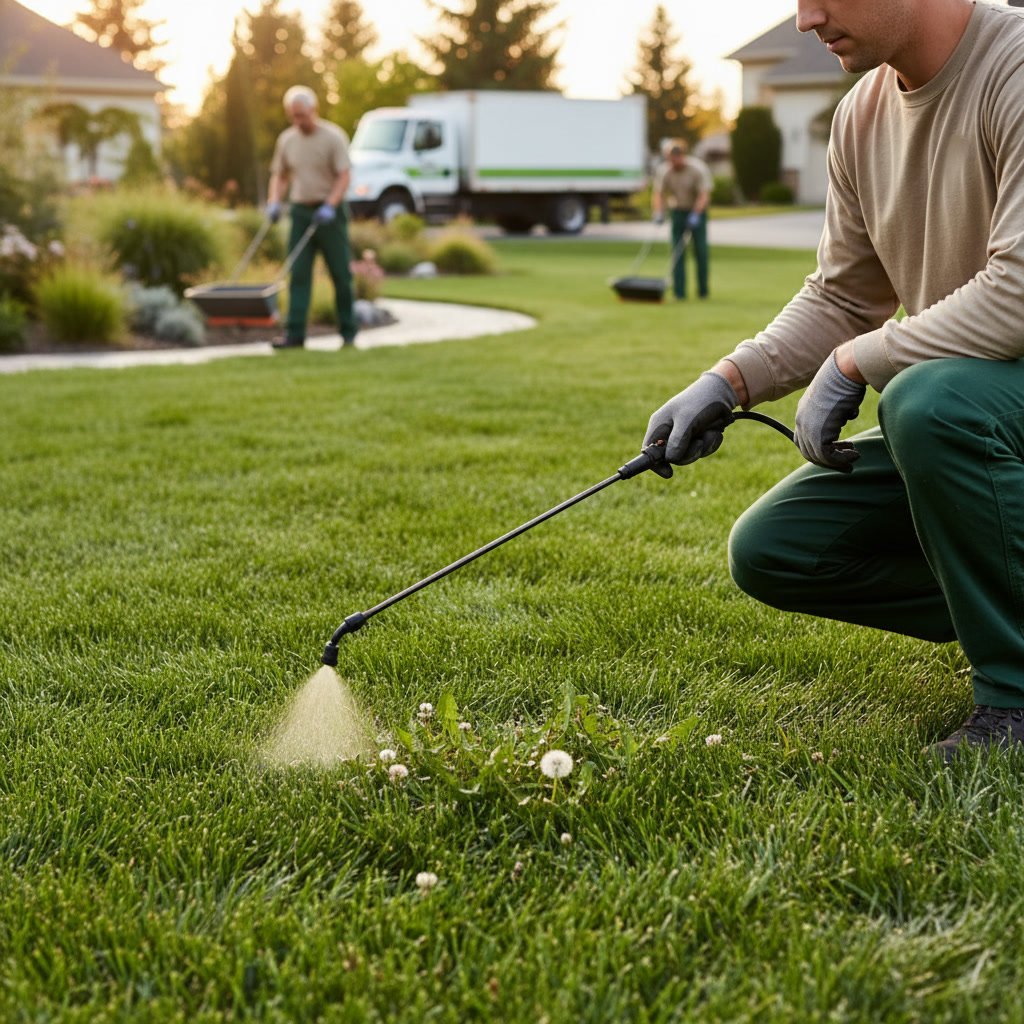
Post-emergent herbicides kill existing broadleaf weeds like dandelions, clover, and plantain. Selective formulas target weeds without harming grass when applied at proper temperatures and growth stages. Treating weeds during hot afternoons above 85 degrees stresses grass and reduces herbicide effectiveness.
Pest and Disease Monitoring
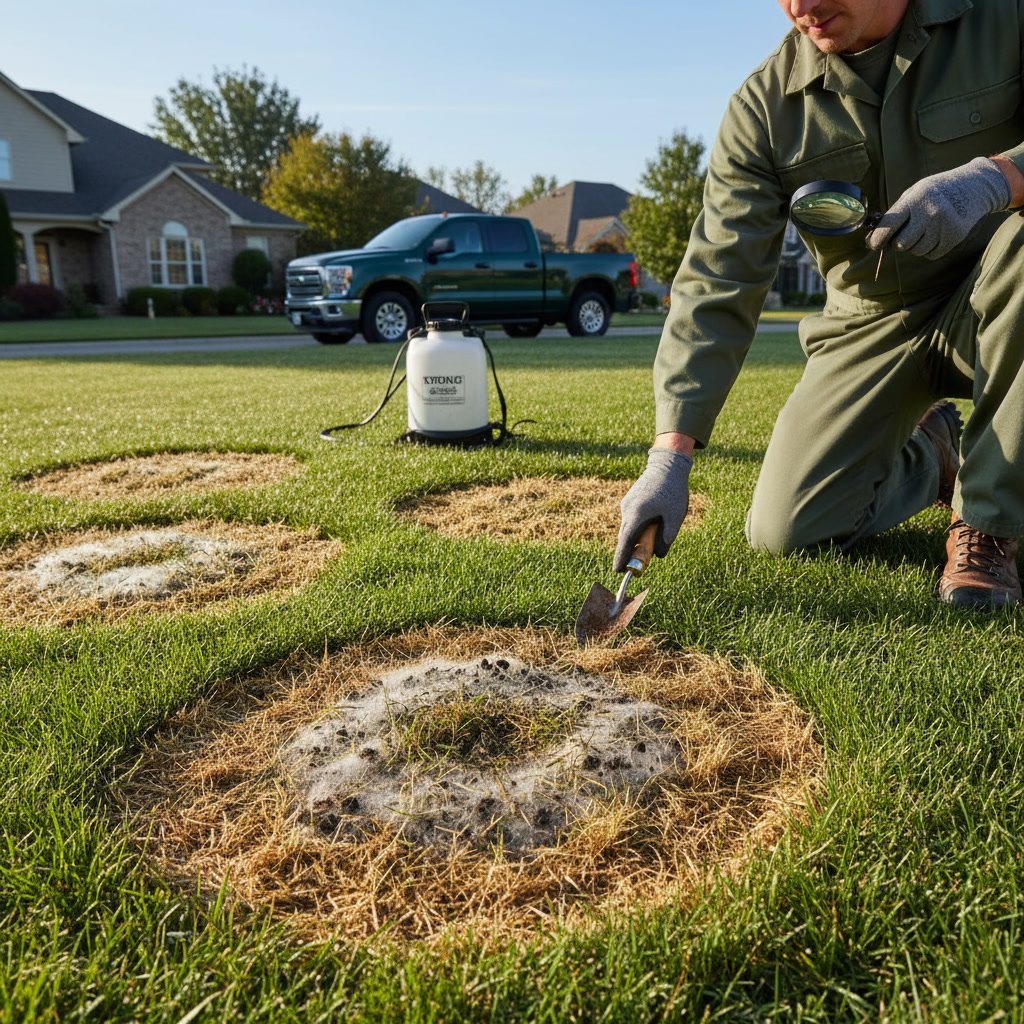
Lawn technicians recognize early warning signs of insect damage and fungal diseases that homeowners miss. White grubs feed on grass roots from late summer through fall, creating irregular brown patches that peel back like loose carpet. Japanese beetle larvae populations above 10 grubs per square foot warrant treatment.
Fungal diseases like brown patch, dollar spot, and red thread thrive in specific humidity and temperature ranges. Technicians adjust irrigation recommendations, improve air circulation through selective pruning, and apply fungicides only when conditions favor disease development. Preventive fungicide applications waste money and contribute to resistance.
Specialized Services for Owego Lawns
Properties in the Southern Tier face unique challenges from heavy snow loads, spring flooding along the Susquehanna River valley, and clay soils that compact easily. Professional services account for these regional factors when scheduling aeration, selecting grass varieties for overseeding, and timing treatments around local weather patterns.
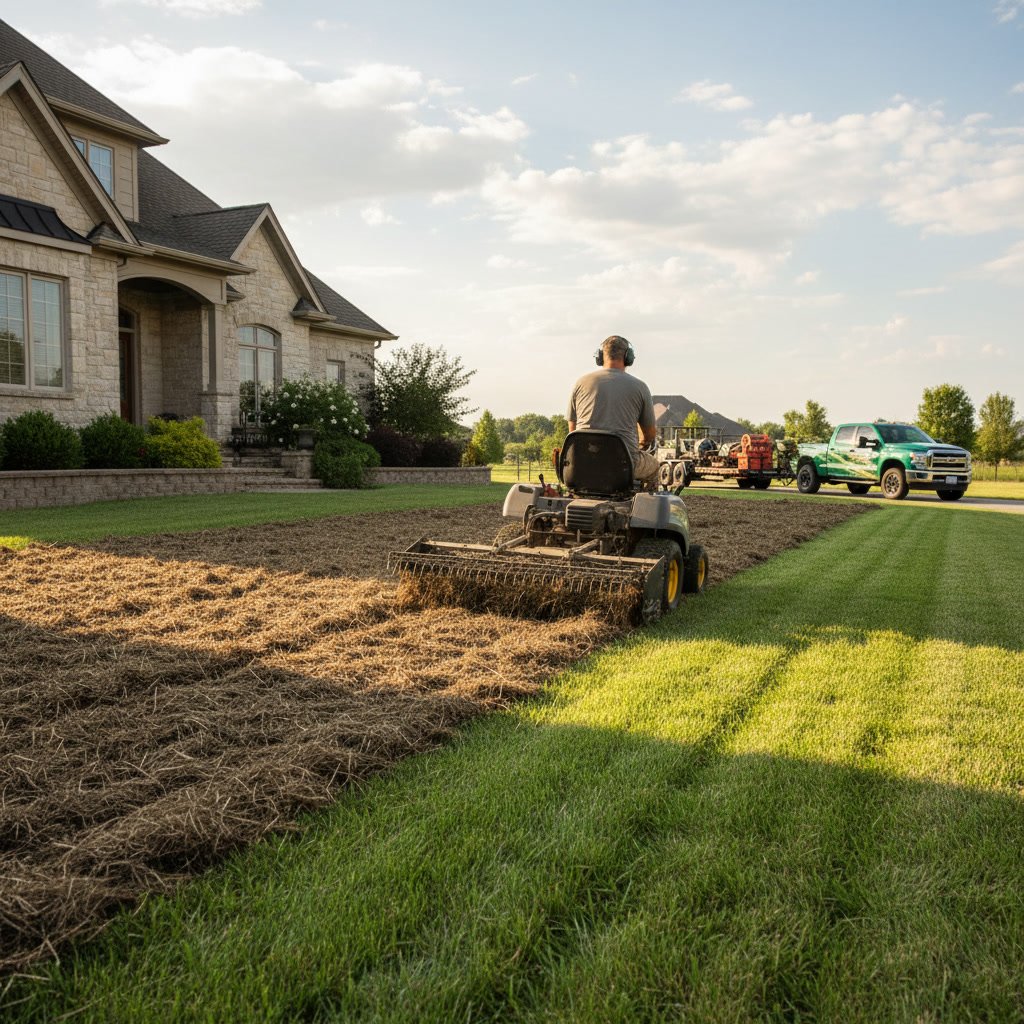
Core aeration, performed in early fall for cool-season grasses, pulls plugs of soil to relieve compaction and improve water penetration. Lawns with heavy foot traffic or clay soil benefit from annual aeration. The process looks messy for a week but delivers dramatic improvements in root growth and drought tolerance.
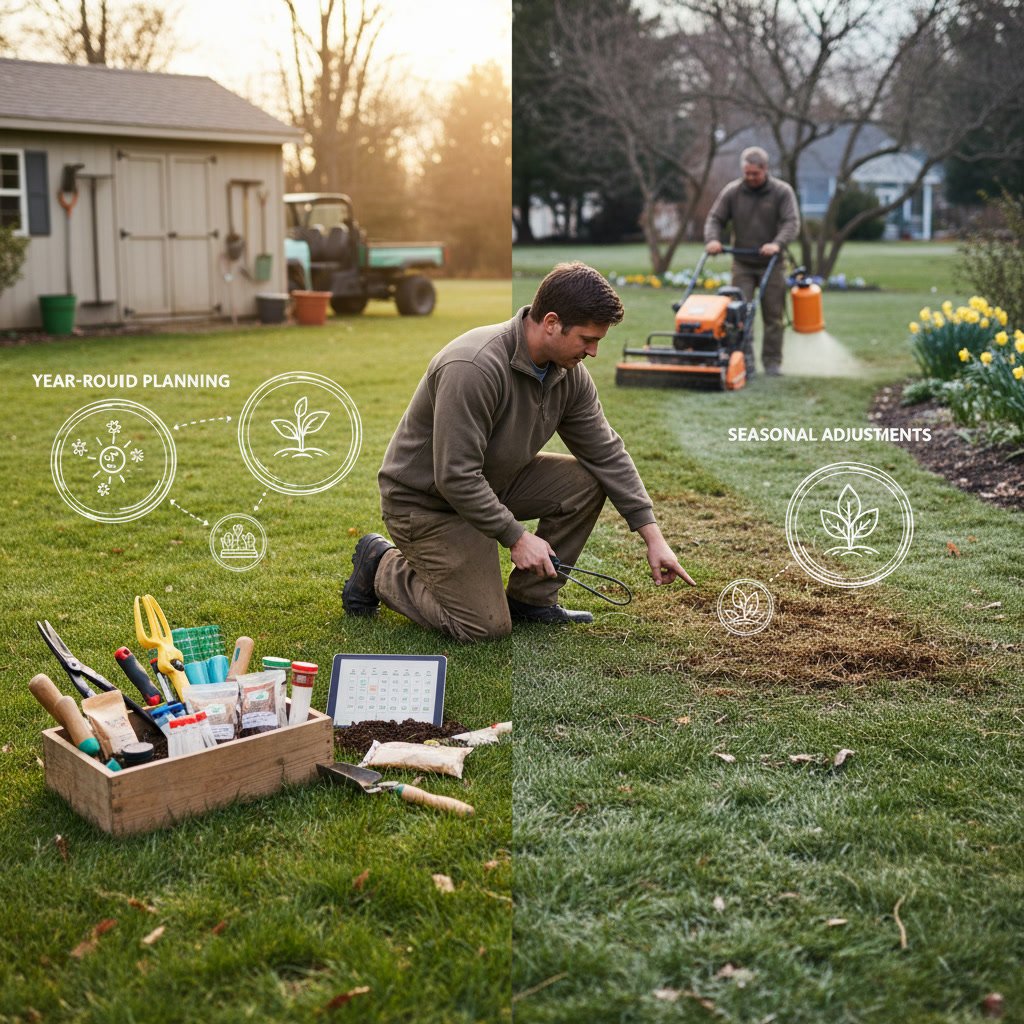
Seasonal Adjustments and Year-Round Planning
Lawn care shifts dramatically with the seasons. Spring focuses on weed prevention, fertilization, and repairing winter damage. Summer emphasizes irrigation management, pest monitoring, and raising mowing heights to reduce heat stress. Fall brings overseeding, aeration, and heavy fertilization to prepare grass for winter dormancy.
Winter preparations include final mowing at reduced height to prevent snow mold, clearing leaves that smother grass, and applying winterizer fertilizer high in potassium. This mineral strengthens cell walls against freeze damage and disease. Technicians also evaluate equipment, sharpen blades, and plan next season’s treatment schedule during the off-season.
Equipment and Application Precision
Professional-grade equipment delivers results impossible with homeowner tools. Commercial mowers cut evenly at consistent heights and handle slopes safely. Broadcast spreaders apply granular products at calibrated rates, ensuring uniform coverage without gaps or overlaps that create striped patterns.
Spray equipment mixes liquid products at precise ratios and delivers them at controlled pressures and droplet sizes. This precision prevents drift onto ornamental plants and ensures adequate coverage on target weeds. GPS-guided systems track application rates and coverage on large properties, eliminating guesswork.
Documentation and Communication
Quality lawn services maintain detailed records of every treatment, weather conditions, and lawn response. Technicians photograph problem areas, note application rates, and track results over time. This documentation helps adjust programs when treatments underperform or conditions change.
Property owners receive visit summaries explaining what was done, what to expect, and any recommended actions like adjusting sprinkler schedules or addressing drainage issues. Transparent communication builds trust and helps homeowners understand the value they receive beyond simple mowing.
Getting the Most From Your Lawn Service
Professional lawn care delivers the expertise, equipment, and consistency needed for healthy turf year-round. The systematic approach addresses problems before they become visible, applies treatments at optimal times, and adjusts strategies based on actual results rather than assumptions. Property owners gain time, eliminate guesswork, and enjoy outdoor spaces that enhance curb appeal and property value.
TEK 22 Tree Service brings professional lawn care expertise to residential and commercial properties throughout the greater Binghamton area. Whether your property needs a complete maintenance program or targeted treatments for specific problems, trained technicians deliver solutions based on local conditions and proven turf science. Reach out at +16072375153 to schedule an assessment and discover how professional care transforms struggling lawns into healthy, resilient turf.