Trees showing discoloration, unusual growth patterns, or bark damage may be fighting disease. Early recognition and professional intervention can save a struggling tree before permanent damage occurs. Recognizing tree disease signs early allows property owners to address problems when treatment is most effective, often preventing the need for complete removal.
Most tree diseases progress slowly at first, giving homeowners a window of opportunity to act. However, that window closes quickly once visible symptoms appear, and waiting too long can turn a treatable condition into a lost tree.
Why Healthy Trees Suddenly Show Signs of Decline
A tree that looked vigorous last season can show sudden decline for several reasons. Environmental stress weakens natural defenses, making trees vulnerable to pathogens already present in the soil or air. Changes in drainage patterns, construction activity near root zones, or unusually wet springs create conditions where fungi and bacteria thrive.
Root damage often precedes visible symptoms by months or even years. By the time foliage shows distress, the disease may have already compromised a significant portion of the vascular system. This delayed response makes early detection challenging but critically important.
Unusual Leaf Patterns That Signal Trouble
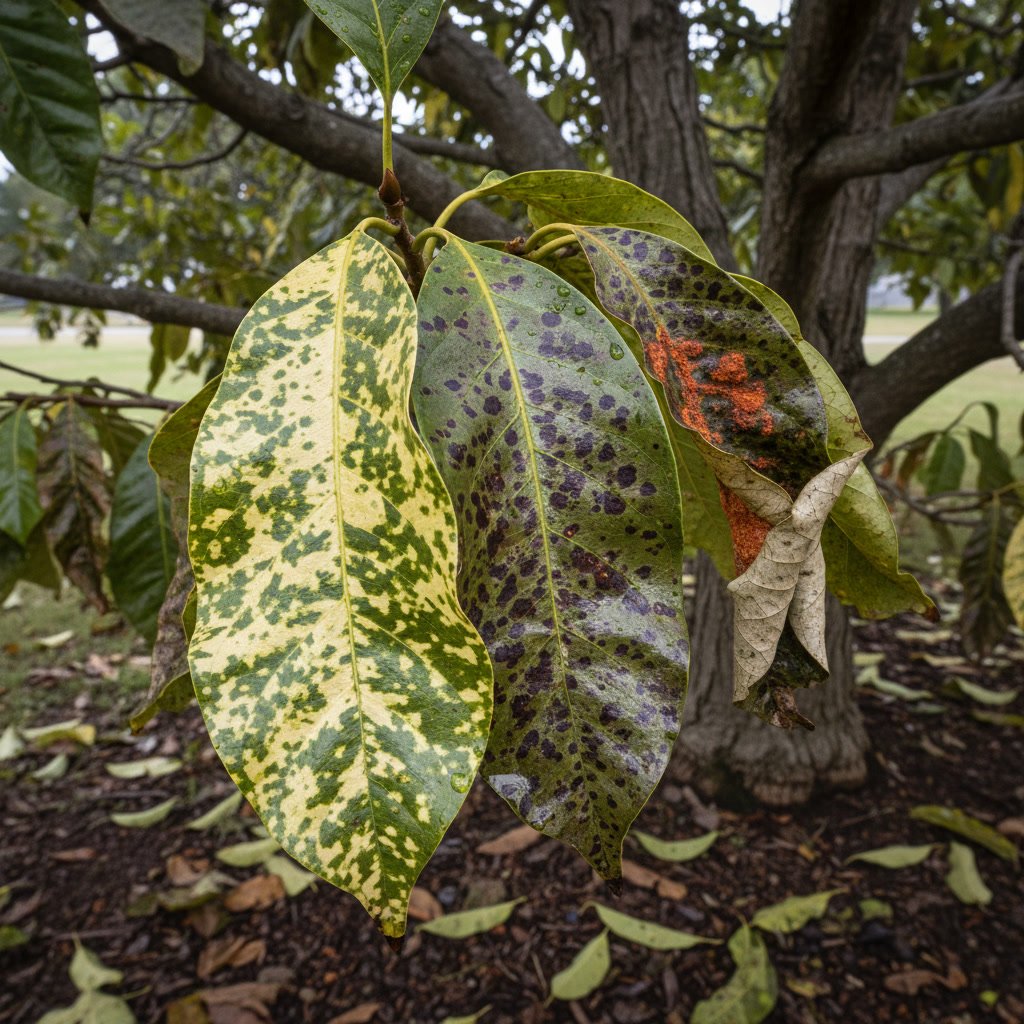
Leaves provide the earliest warning system for tree health problems. Discoloration that doesn’t match normal seasonal changes deserves attention. Yellow or brown spots, especially those with defined borders or unusual patterns, often indicate fungal infection. Leaves that curl, pucker, or develop powdery coatings signal specific pathogens.
Premature leaf drop outside of autumn is a red flag. When a tree sheds significant foliage in spring or summer, it’s attempting to conserve resources because the root system or vascular tissue can’t support the full canopy. Sparse canopy on one side of the tree while the other remains full suggests localized root damage or vascular disease blocking nutrient flow.
Wilting during periods of adequate moisture indicates the tree can’t move water from roots to leaves. This symptom requires immediate professional assessment, as it often signals advanced vascular disease.
Changes in Bark Texture and Appearance
Healthy bark maintains consistent texture and color for each species. Cracks, peeling, or sections that feel soft or spongy indicate decay beneath the surface. Vertical cracks that weep sap or dark liquid suggest bacterial infection or advanced rot.
Cankers appear as sunken, discolored areas on trunks or branches. These dead sections of bark often have a distinct border between diseased and healthy tissue. Cankers expand over time, eventually girdling branches or trunks and cutting off nutrient flow.
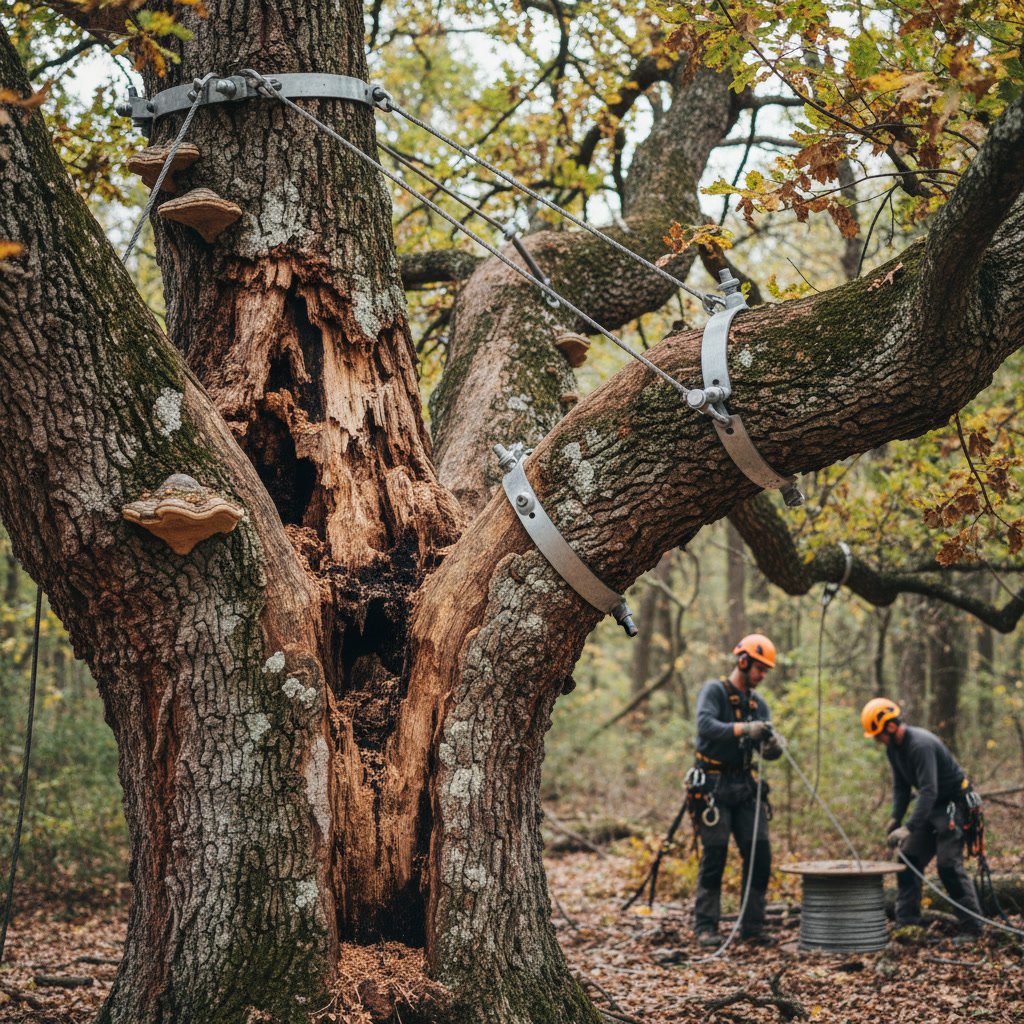
Unusual growths, including shelf-like fungal bodies or conks growing from the bark, indicate internal decay. By the time these fruiting bodies appear, significant structural damage has already occurred inside the tree.
Root Zone Warning Signs in Owego Properties
Root problems rarely show obvious symptoms until substantial damage has occurred. Mushrooms or other fungi growing at the tree base indicate root or lower trunk decay. Soil that appears raised or cracked near the trunk suggests root instability or internal gas production from bacterial activity.
Trees that lean suddenly or develop exposed roots where none were visible before may be losing their anchor system to disease. Root diseases are particularly common in areas with poor drainage or where soil compaction has occurred.
When Insects and Disease Work Together
Many tree diseases enter through wounds created by insect activity. Bark beetles carry fungal spores that cause additional damage beyond their tunneling. Borers create entry points for bacteria and decay fungi. If you notice sawdust-like material at the tree base, exit holes in bark, or dying branches at the crown, both insect management and disease treatment may be necessary.
Some insects are attracted specifically to stressed or diseased trees. A sudden increase in woodpecker activity often means insects have already colonized weakened wood. This indirect indicator helps identify trees requiring professional evaluation.
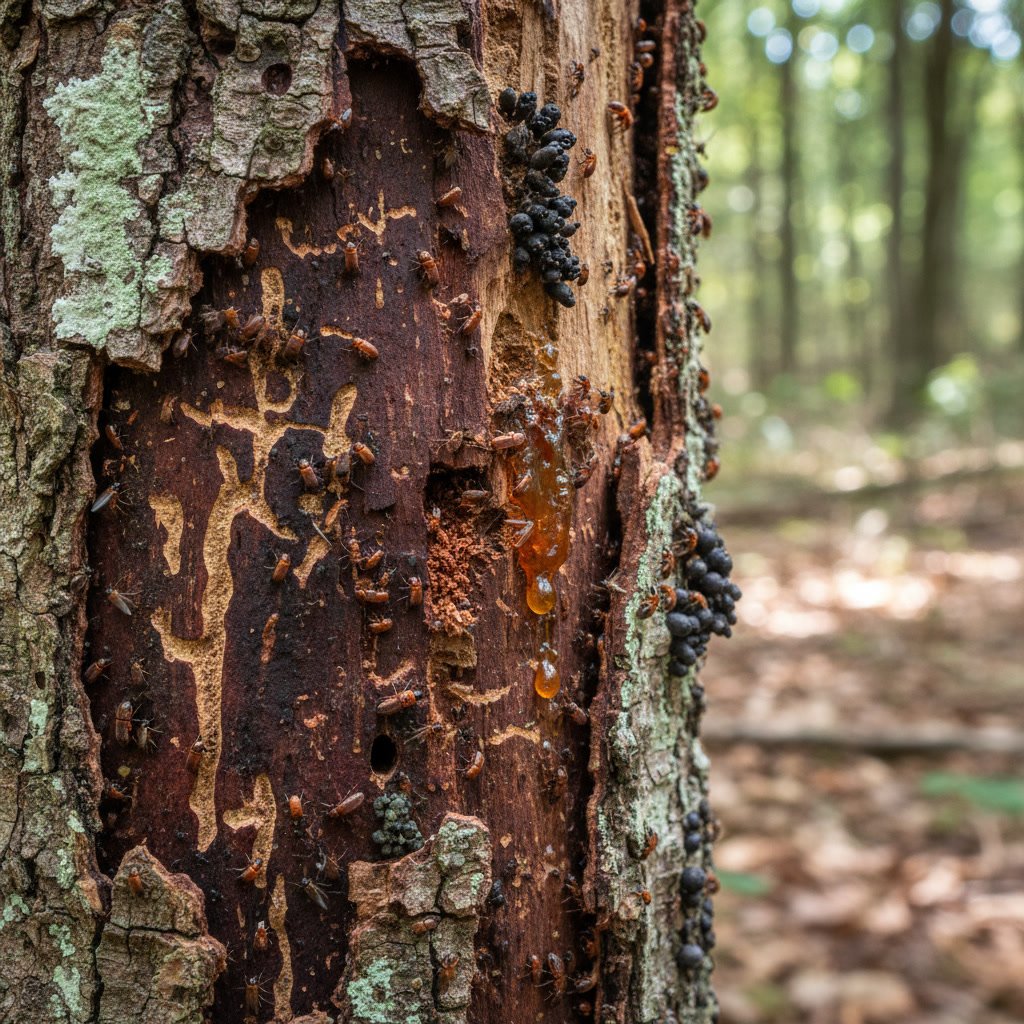
Dead or Dying Branches Throughout the Canopy
Scattered dead branches, especially those located throughout the tree rather than concentrated in one area, indicate systemic problems. Branch dieback that starts at the tips and progresses toward the trunk characterizes many vascular diseases. These conditions prevent water and nutrients from reaching outer portions of the canopy.
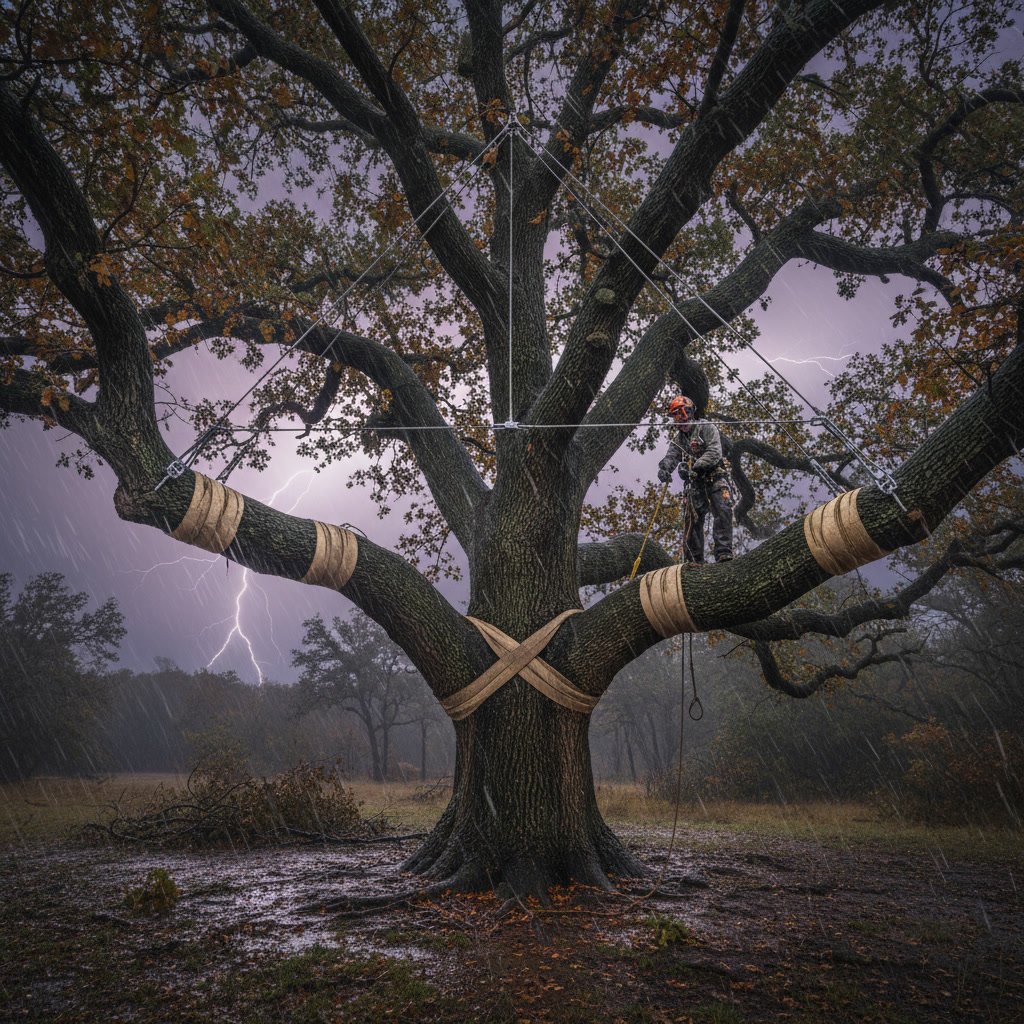
Large scaffold branches that die suddenly pose both a health concern for the tree and a safety hazard. Dead wood loses strength rapidly and can fail without warning, particularly during storms or high winds.
Growth Abnormalities and Stunted Development
Healthy trees produce consistent annual growth. Twigs that fail to elongate properly or leaves that remain undersized indicate nutrient transport problems. Witches’ brooms, dense clusters of thin twigs growing from a single point, result from fungal or viral infections disrupting normal growth hormones.
Epicormic shoots, those thin vertical sprouts growing directly from the trunk or large branches, represent the tree’s emergency response to stress. While a few sprouts may appear after minor pruning, numerous epicormic shoots signal serious health decline.
Five Critical Steps When You Spot Symptoms
First, document what you observe with dated photos showing the overall tree and close-ups of specific symptoms. This record helps professionals track progression and assess treatment effectiveness.
Second, avoid any pruning or treatment attempts without professional diagnosis. Incorrect intervention can accelerate disease spread or mask symptoms needed for accurate identification.
Third, keep the area around the tree clear of debris and avoid any soil disturbance near the root zone. Stress compounds disease problems.
Fourth, research whether similar trees in your neighborhood show matching symptoms. Some diseases spread through entire areas, requiring coordinated management approaches.
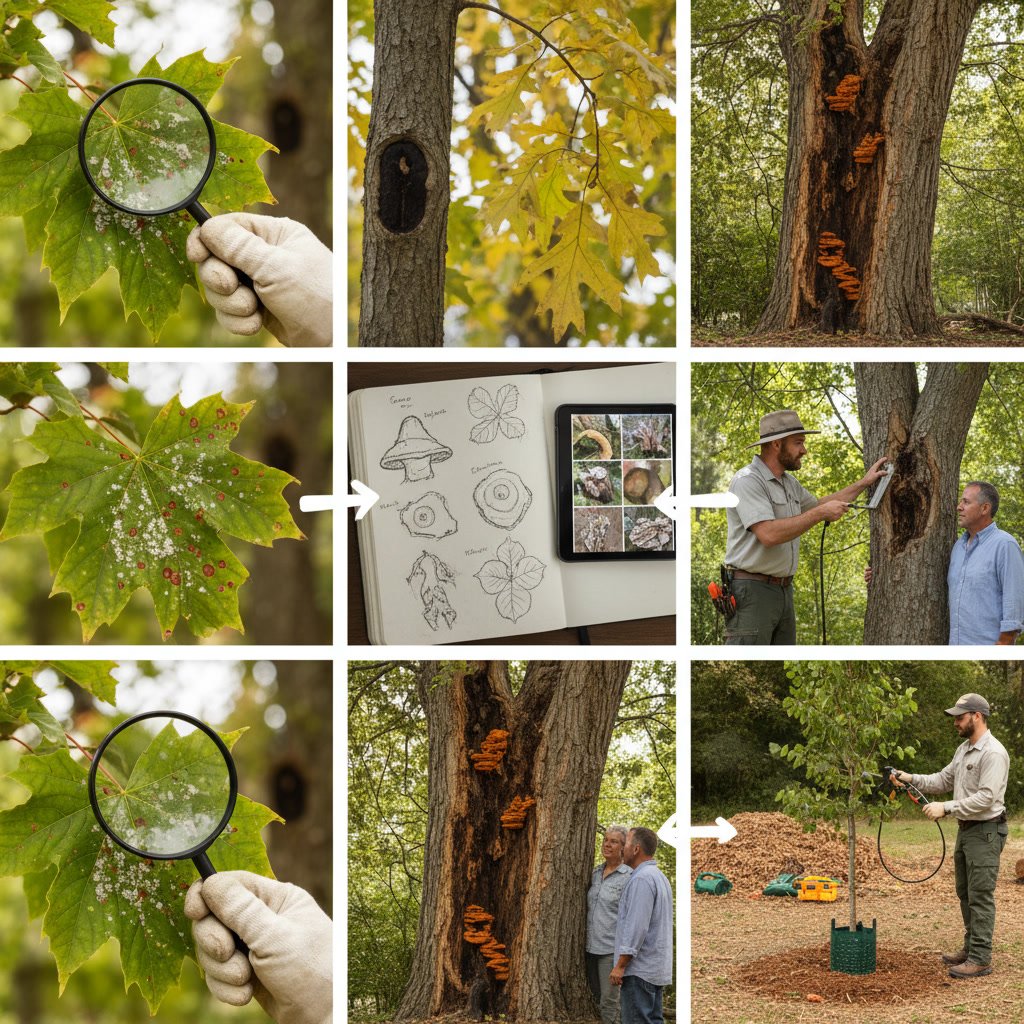
Fifth, contact a qualified tree health specialist promptly. The difference between early-stage and advanced disease often determines whether the tree can be saved. Professional disease management starts with accurate diagnosis using field observation and, when necessary, laboratory testing of tissue samples.
The True Cost of Delaying Treatment
Property owners often postpone tree disease treatment hoping the problem will resolve naturally or that they can manage it themselves. This approach rarely succeeds and typically increases total costs significantly. A disease that could be controlled with targeted treatment in early stages may require complete tree removal within one or two seasons.
Beyond the individual tree, many diseases spread to neighboring trees through root grafts, airborne spores, or insect vectors. A single untreated infection can threaten multiple valuable specimens. The financial and aesthetic impact of losing several mature trees far exceeds the cost of timely intervention.
Dead or structurally compromised trees also create liability concerns. Falling branches or complete tree failure can damage property, vehicles, or cause injury. Insurance coverage may be affected if negligence regarding known tree hazards can be demonstrated.
How Professional Diagnosis Differs From Guesswork
Accurate disease identification requires understanding the complex interactions between pathogens, environmental conditions, and tree physiology. Many diseases produce similar symptoms, yet require completely different treatments. Applying fungicide to a bacterial problem wastes money and delays effective intervention.
Certified arborists combine visual assessment with knowledge of disease patterns common to specific species and geographic areas. They examine the entire tree system, from fine root condition to crown structure, identifying subtle clues homeowners typically miss. In some cases, tissue samples are sent to diagnostic laboratories for definitive pathogen identification.
Professional diagnosis also considers whether treatment is biologically feasible and economically sensible. Some diseases cannot be cured, only managed. When structural integrity has been compromised beyond safety thresholds, honest assessment may recommend removal rather than prolonged treatment of a tree that poses increasing risk. Just as lawn health issues benefit from expert evaluation, as discussed in posts about recognizing early signs of fungal problems, trees require specialized knowledge for proper care.
Protecting Your Trees Before Problems Start
Regular monitoring catches problems early. Walk your property seasonally, looking specifically for the warning signs outlined above. Early spring before leaf-out and late fall after leaf drop provide excellent visibility of branch structure and bark condition.
Proper cultural practices build disease resistance. Adequate watering during drought, appropriate mulching that doesn’t contact the trunk, and avoiding mechanical damage to bark and roots all strengthen natural defenses. When new tree planting occurs, choosing disease-resistant varieties suited to local conditions reduces future problems.
Trees weakened by one stressor become vulnerable to disease. Construction damage, soil compaction, poor drainage, and extreme weather all compromise health. Addressing these underlying factors as part of overall property management reduces disease incidence.
Taking Action to Preserve Your Landscape
The trees on your property represent significant investment in beauty, shade, and property value. Recognizing warning signs early and responding with professional expertise gives struggling trees the best chance for recovery. Most diseases can be managed effectively when caught before extensive damage occurs, preserving these valuable landscape assets for years to come.
If you’ve noticed any concerning symptoms on your trees, TEK 22 Tree Service provides expert diagnosis and treatment throughout the Southern Tier region. Our team evaluates problem trees others consider impossible to save, developing treatment strategies tailored to each situation. Call +16072375153 to schedule a comprehensive tree health assessment and discuss the best path forward for your landscape.