Your lawn shows visible distress signals when it struggles with disease, pests, or environmental stress. Common signs lawn needs care include brown patches that persist despite watering, thinning grass coverage, mushroom clusters, and weed invasion across previously healthy turf. Catching these symptoms early prevents costly replacement and protects the overall health of your landscape.
Why Healthy Lawns Matter Beyond Appearance
A robust lawn does more than boost curb appeal. Healthy turf prevents soil erosion during heavy rainfall, filters pollutants before they reach groundwater, and reduces surface temperatures around your home by up to 20 degrees compared to bare soil or pavement. Dense grass also crowds out invasive weeds naturally, reducing the need for chemical interventions over time.
Neglected lawns become breeding grounds for pests that eventually migrate to nearby trees and ornamental plants. Grubs feeding on grass roots can devastate turf in weeks, while weakened grass invites fungal diseases that spread rapidly in humid conditions. The domino effect often leads to problems that require extensive remediation.
The Hidden Costs of Delayed Lawn Maintenance
Property owners who postpone lawn care face exponentially higher expenses down the line. A minor fungal infection treated early might cost $150 to resolve, but the same problem left untreated for a month can destroy enough turf to require $2,000 in sod replacement. Compacted soil that could be aerated for $200 eventually kills grass roots, necessitating complete lawn renovation at 10 times the preventive cost.
Timing matters critically in lawn health. Spring treatments applied two weeks late miss the narrow window when pre-emergent herbicides prevent crabgrass germination, guaranteeing a summer battling weeds. Fall aeration delayed until grass goes dormant wastes money on a procedure that provides zero benefit.
Persistent Brown Patches That Spread Weekly
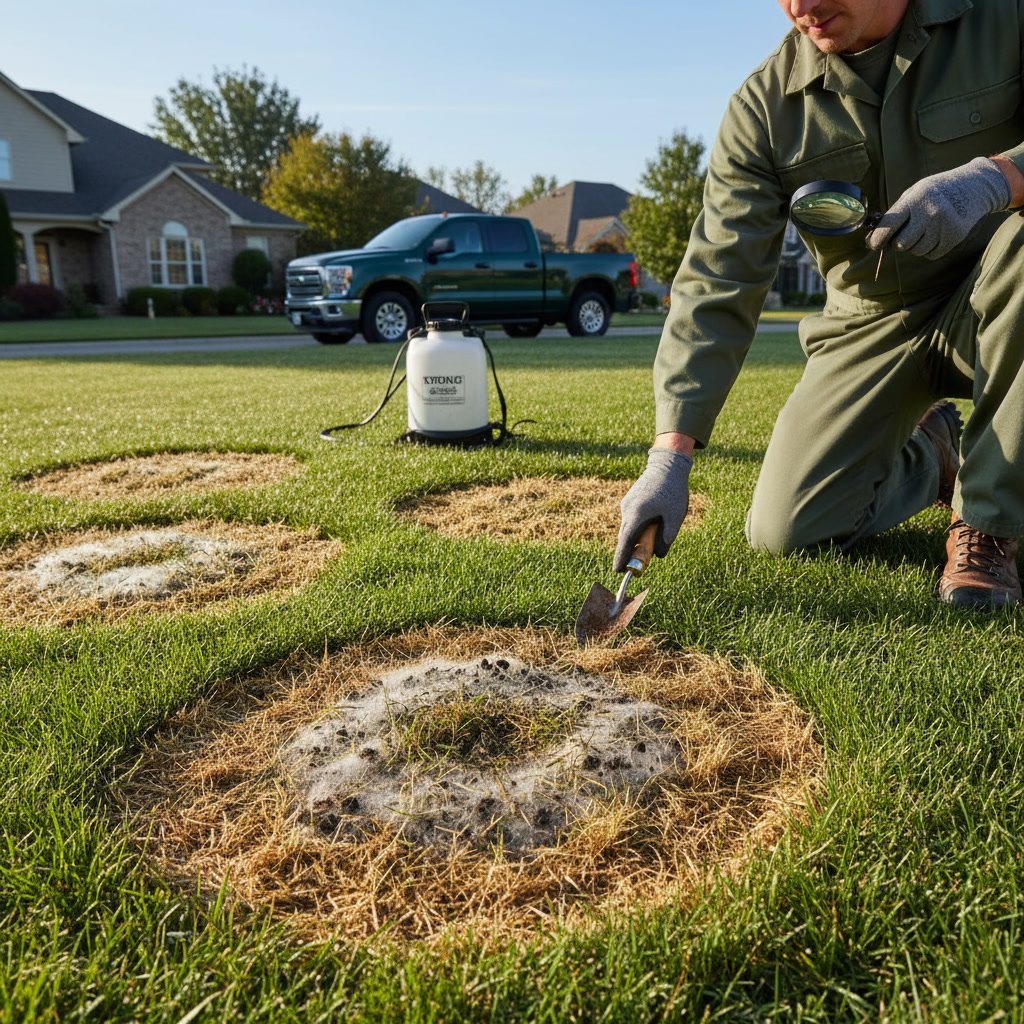
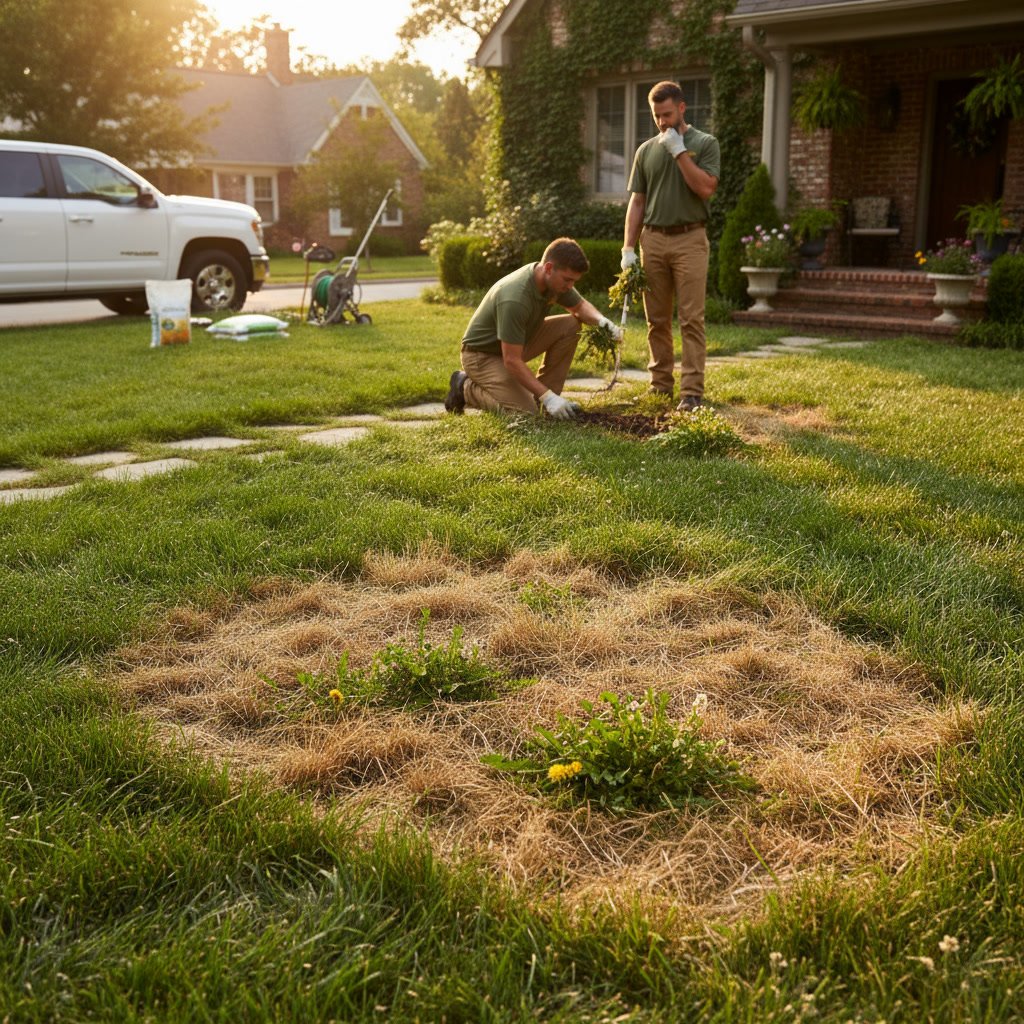
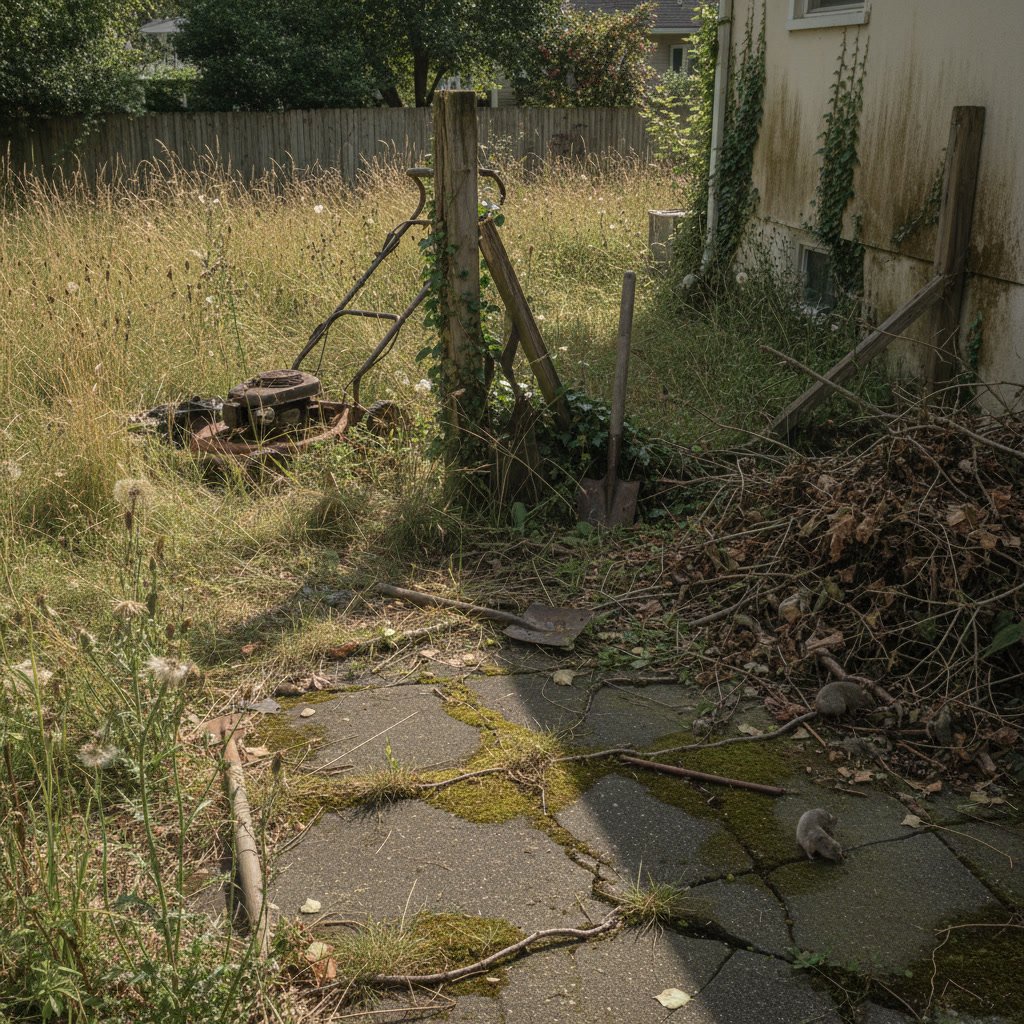
Brown spots measuring more than 12 inches across signal serious underlying issues. Fungal diseases like brown patch or dollar spot create circular dead zones that expand outward from a central point. These infections thrive when nighttime temperatures stay above 68 degrees with high humidity, conditions common in late spring and early fall.
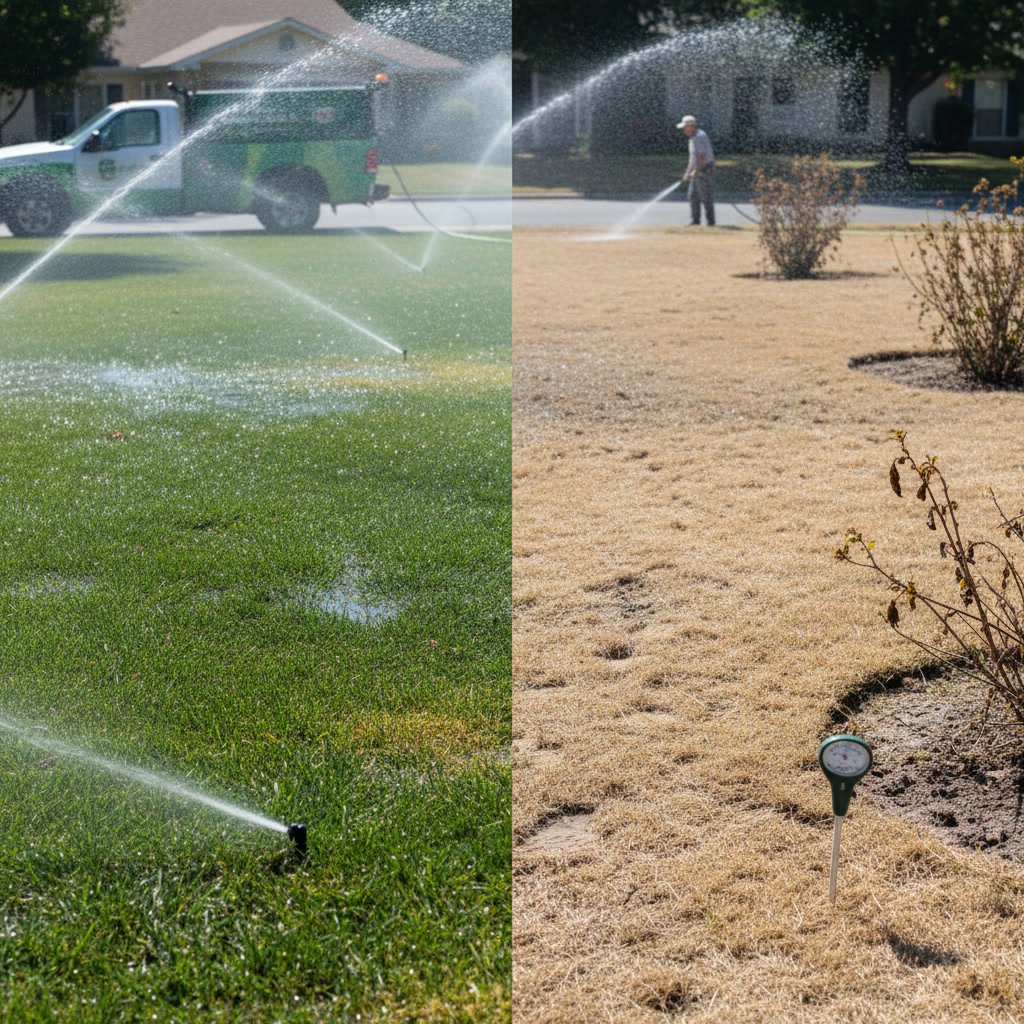
Drought stress creates different brown patterns, usually starting in high traffic areas or slopes where soil drains quickly. If brown patches green up within 24 hours of deep watering, you have a moisture problem. If they remain brown after adequate water, disease or grub damage is likely. Professional diagnosis prevents applying the wrong treatment and wasting time while damage spreads.
Bare Soil Visible Between Grass Blades
Healthy lawns maintain density where individual grass plants grow close enough that you cannot see soil beneath. When gaps appear and widen, the turf has entered decline. Causes range from compacted soil that suffocates roots to nutrient depletion that starves plants.
Thinning grass loses the competitive advantage against weeds. A single dandelion produces 15,000 seeds, and those seeds find purchase in bare soil where grass no longer dominates. Once weeds establish, they steal water and nutrients from remaining grass, accelerating the thinning process.
Mushrooms and Fungal Growth After Rain
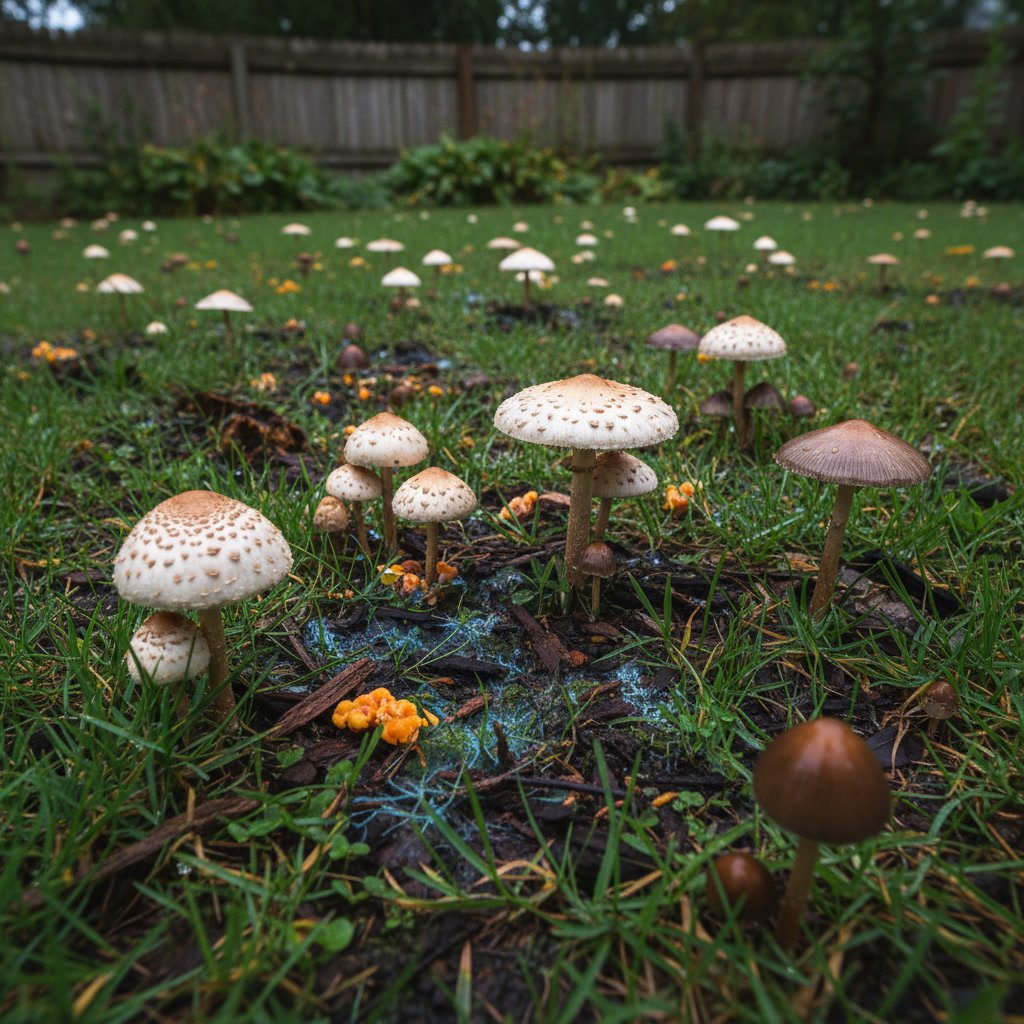
Mushrooms sprouting in your lawn indicate decomposing organic matter below the surface, often old tree roots or buried construction debris. While mushrooms themselves do not harm grass, their presence reveals conditions that favor disease. Excessive thatch, poor drainage, and overwatering all contribute to fungal activity.
Fairy rings create circular patterns of dark green grass surrounding a ring of mushrooms. The fungi colonize soil in expanding circles, sometimes growing outward at six inches per year. These rings can persist for decades without intervention and eventually create dead zones where grass cannot grow.
Weeds Outnumbering Grass in Your Yard
A lawn where weeds cover more than 30% of surface area has crossed the threshold from maintenance to restoration. At this density, selective herbicides and spot treatments no longer provide adequate control. The underlying cause is always weak grass that cannot compete for resources.
Different weeds reveal different problems. Clover thrives in nitrogen-poor soil. Moss indicates acidic conditions and shade. Crabgrass exploits thin turf and compacted soil. Identifying the dominant weed species tells professionals exactly what conditions need correction.
Lawn Damage Patterns in Owego Properties
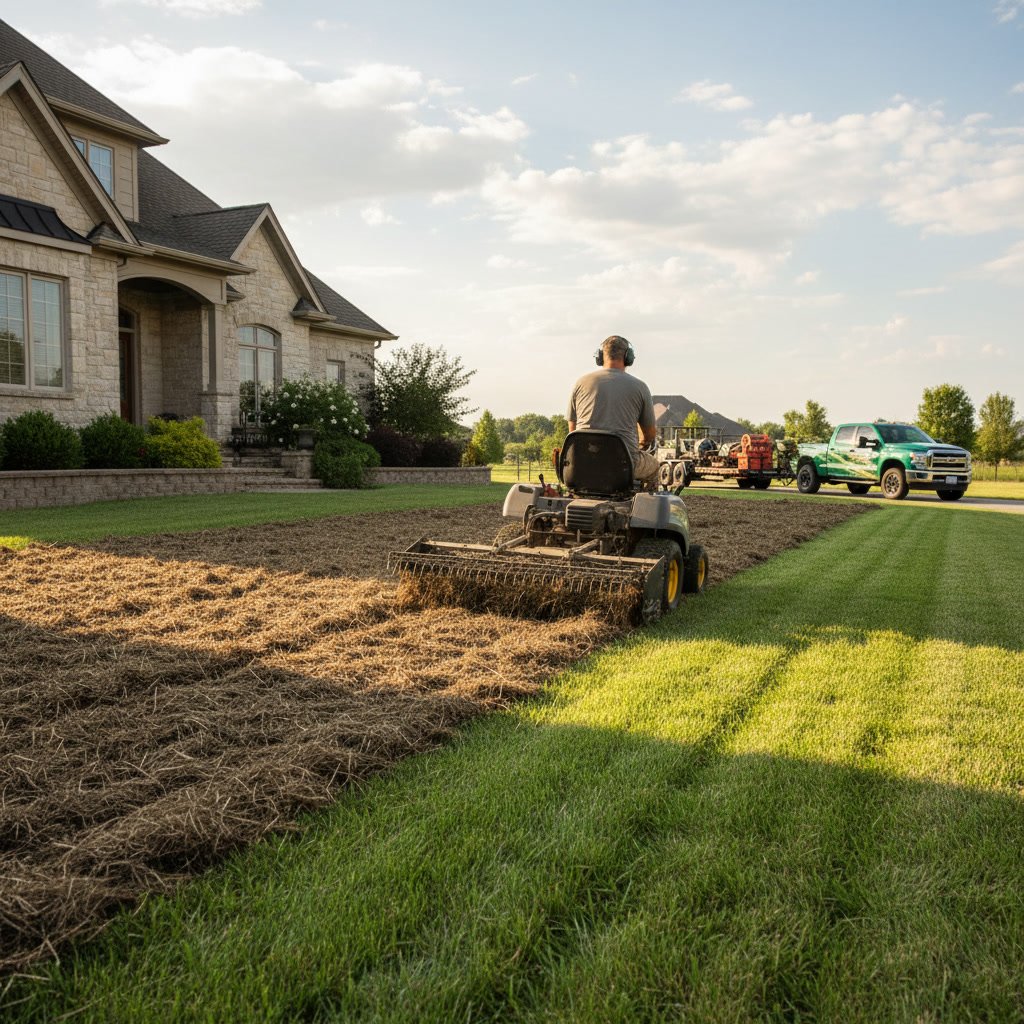
Properties in Owego face specific challenges due to clay-heavy soil that compacts easily and drains poorly. Spring thaw followed by heavy rain creates waterlogged conditions ideal for fungal disease. Many older residential lots contain buried construction debris from original builds, creating pockets of poor soil that grass struggles to colonize.
Local lawns also contend with white grubs from Japanese beetles, which peak in late summer. A single square foot of turf can harbor 10 or more grubs feeding on grass roots. Sections of lawn that peel back like carpet indicate severe grub infestation requiring immediate treatment before spring when the next generation emerges.
Tree and Lawn Health Connection
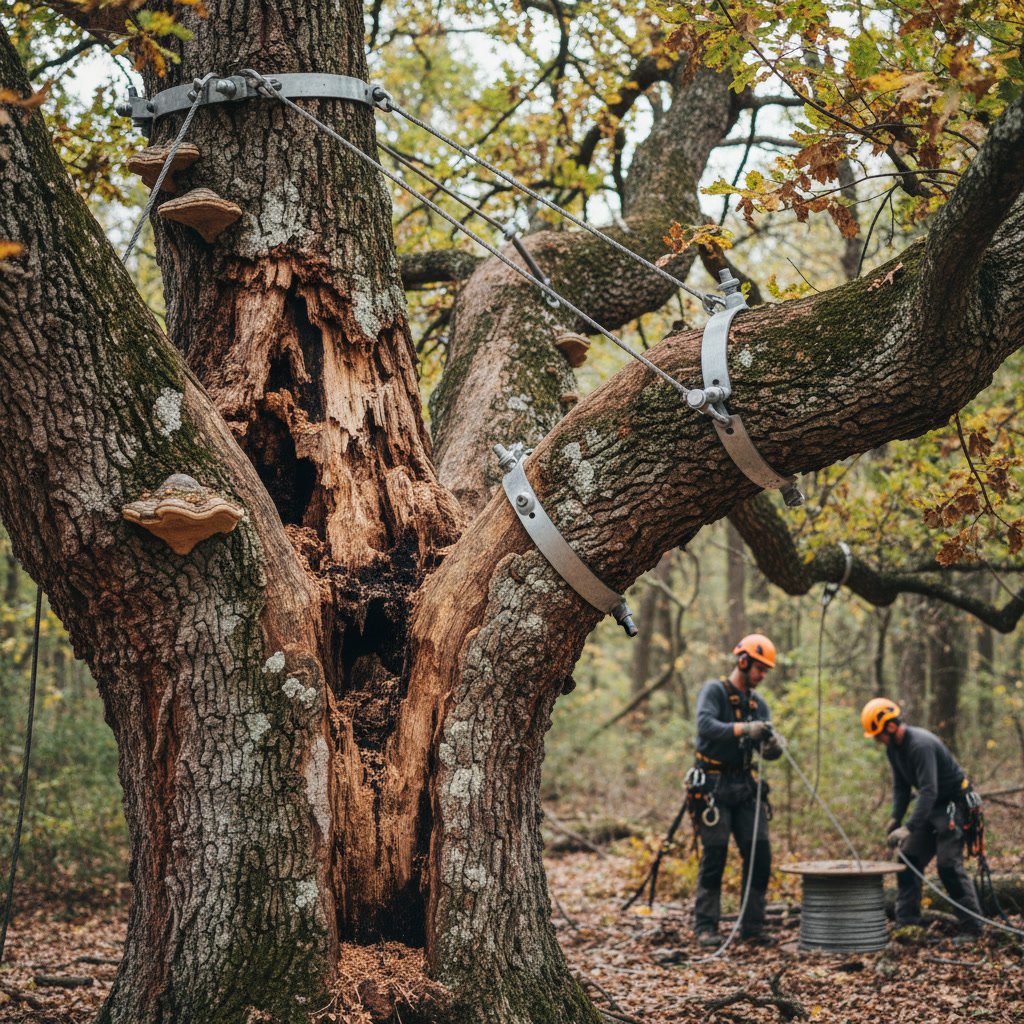
Trees and turf compete for the same water and nutrients, creating stress zones where grass thins beneath canopies. Shallow tree roots break through the soil surface, making mowing difficult and damaging mower blades. Mature trees also drop leaves that smother grass if not removed promptly each fall.
However, trees provide critical benefits that healthy lawns need. Canopy shade reduces soil temperature and slows moisture evaporation. A property with no trees often requires 30% more irrigation than one with mature shade coverage. The solution is not removing trees but managing the relationship through proper pruning and selective grass varieties that tolerate shade.
Professional Lawn Assessment vs DIY Diagnosis
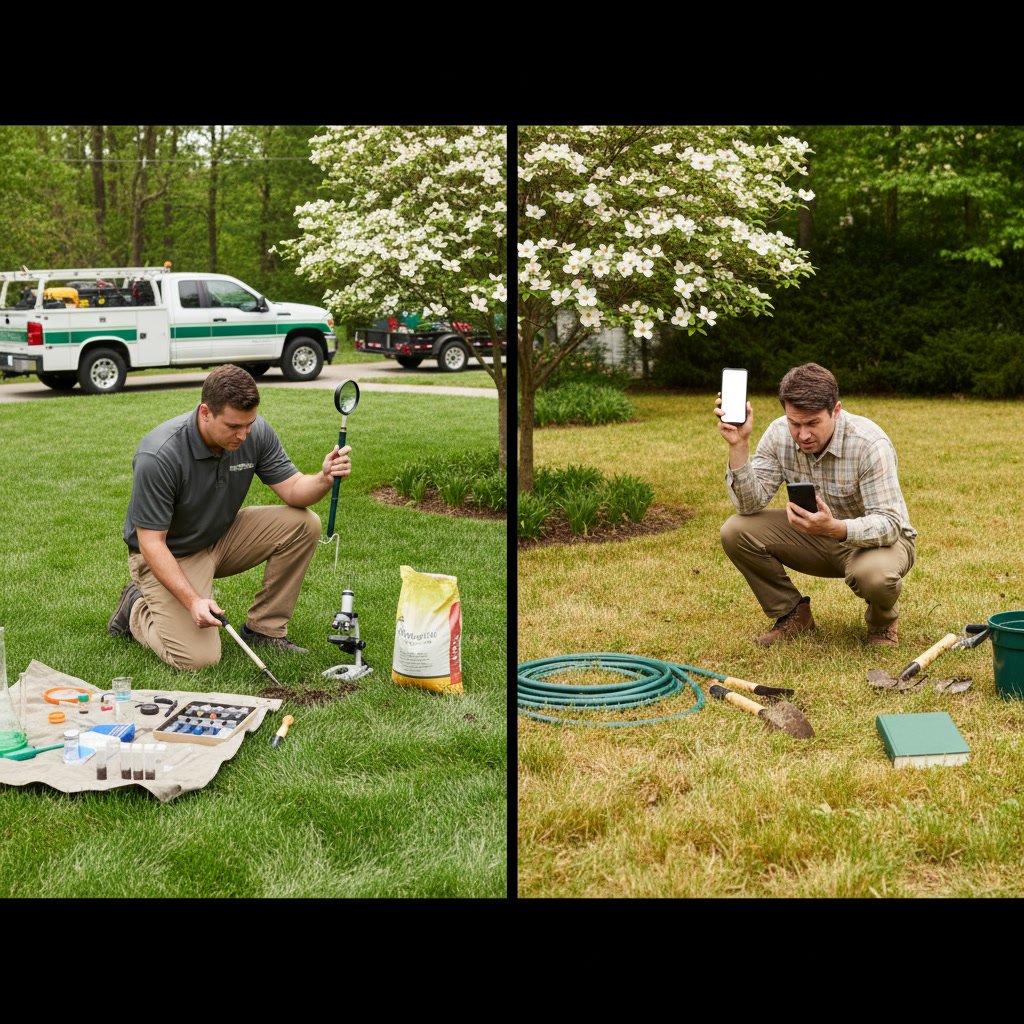
Homeowners frequently misdiagnose lawn problems because multiple issues create similar symptoms. Brown grass could indicate drought, disease, grub damage, chemical burn, buried debris, or dog urine. Applying fungicide to drought-stressed grass accomplishes nothing except wasted money.
Professional assessment includes soil testing that reveals pH levels, nutrient deficiencies, and organic matter content. Technicians examine grass at the crown and root level, checking for disease spores, insect larvae, and root health invisible from above. They also evaluate drainage patterns, sun exposure throughout the day, and irrigation coverage. This comprehensive analysis identifies root causes rather than treating symptoms.
Seasonal Warning Signs by Month
Different problems emerge on predictable schedules. March and April bring snow mold in areas where snow accumulated all winter. May sees the first grub damage as larvae mature and feed aggressively. June through August tests drought tolerance and reveals irrigation inadequacies. September is prime time for fall lawn diseases when warm days and cool nights create ideal fungal conditions. October reveals winter preparation failures as grass enters dormancy stressed and weak.
Observant property owners walk their lawns monthly, photographing problem areas to track progression. Changes week to week indicate active disease or pest issues requiring immediate intervention. Stable problems often reflect soil or structural issues needing different solutions.
When DIY Lawn Care Reaches Its Limits
Basic mowing, watering, and fertilizing handle routine maintenance for healthy established lawns. But once problems appear, homeowner interventions often make situations worse. Overseeding without aerating wastes seed that cannot penetrate compacted soil. Applying fertilizer to diseased grass feeds the disease. Increasing irrigation to fix brown patches caused by fungus creates conditions where fungus thrives.
The most valuable professional service is accurate diagnosis. Even if you perform the actual treatment yourself, knowing exactly what you are treating and the proper timing prevents expensive mistakes. Services like comprehensive lawn care programs handle diagnosis, treatment, and prevention in coordinated schedules that address your property’s specific conditions.
Protecting Your Landscape Investment
Lawns represent significant property value, both in direct costs and in how they frame the rest of your landscape. A deteriorated lawn makes even well-maintained trees and gardens look neglected. Conversely, healthy turf enhances every other landscape element and increases property values by 15 to 20% compared to similar homes with poor lawns.
Regular professional assessment catches problems at the early stage when solutions cost less and work better. Annual soil testing, seasonal treatments timed to regional conditions, and prompt response to emerging issues keep lawns healthy with less total intervention than letting problems develop then attempting rescue.
TEK 22 Tree Service provides complete property care that addresses both turf and tree health as interconnected systems. Based in Binghamton, the team handles everything from disease diagnosis to long-term maintenance programs tailored to local soil and climate conditions. If your lawn shows distress signals this season, professional assessment identifies problems before they require expensive remediation. Contact +16072375153 to schedule an evaluation and protect your landscape investment.