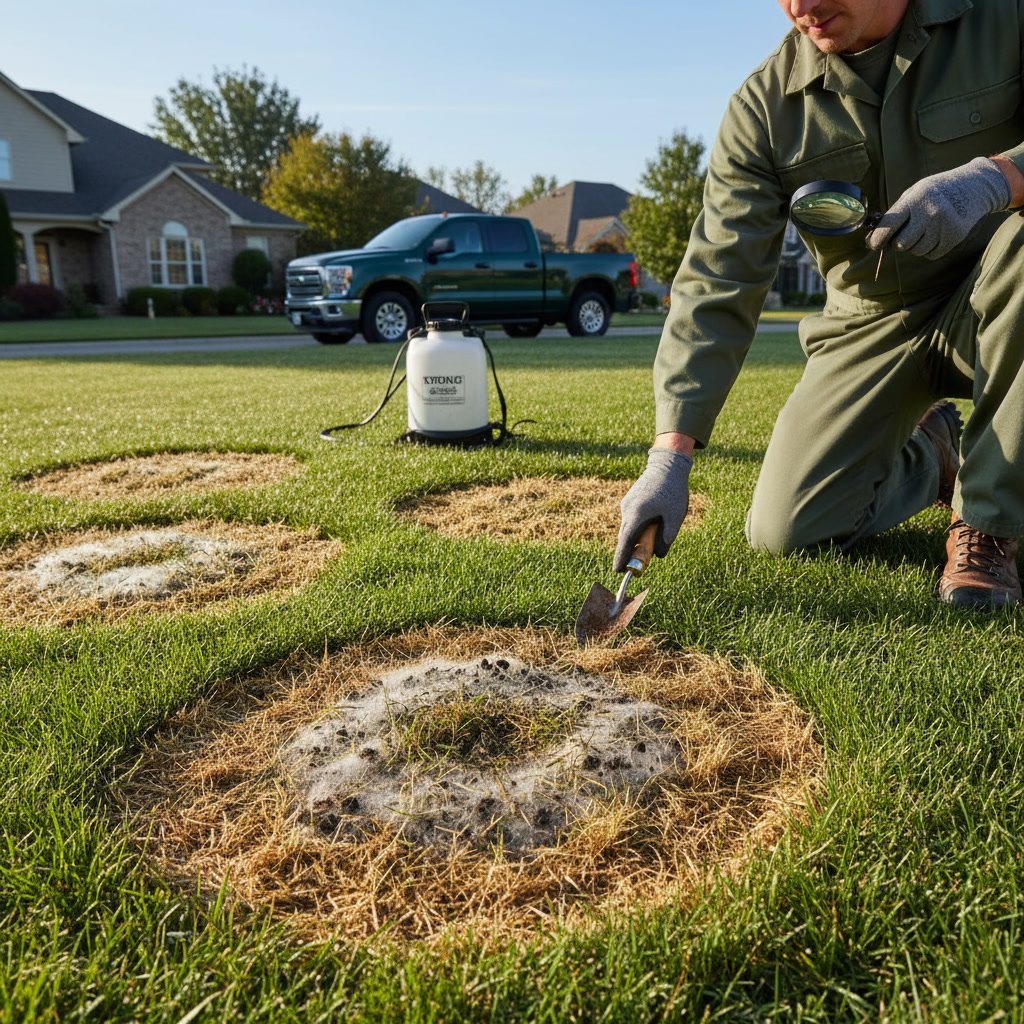
Lawn fungus develops when moisture, warm temperatures, and stressed grass create the perfect breeding ground for disease. Early signs include discolored patches, irregular spots, and unusual growth patterns that appear seemingly overnight. Understanding lawn fungus signs helps you intervene before minor issues become major lawn replacement projects.
Most homeowners first notice something is wrong when their grass stops responding to normal care routines. The lawn might receive plenty of water and sunshine, yet certain areas refuse to thrive. These symptoms often point to fungal infections that require specific treatment approaches beyond standard maintenance.
Why Healthy Lawns Suddenly Develop Fungal Problems
Fungal spores exist naturally in nearly every lawn, lying dormant until conditions favor their growth. A previously healthy yard can develop an outbreak within 48 hours when temperature and moisture levels align. The fungus doesn’t appear because of poor homeowner habits alone but rather when environmental factors create the ideal incubation environment.
Grass weakened by drought stress, compacted soil, or poor nutrition becomes especially vulnerable. Fungal organisms exploit these weak points, colonizing damaged tissue faster than healthy grass can defend itself. Even well-maintained properties face risk during humid summer months or extended rainy periods.
Temperature and Moisture Create the Perfect Storm
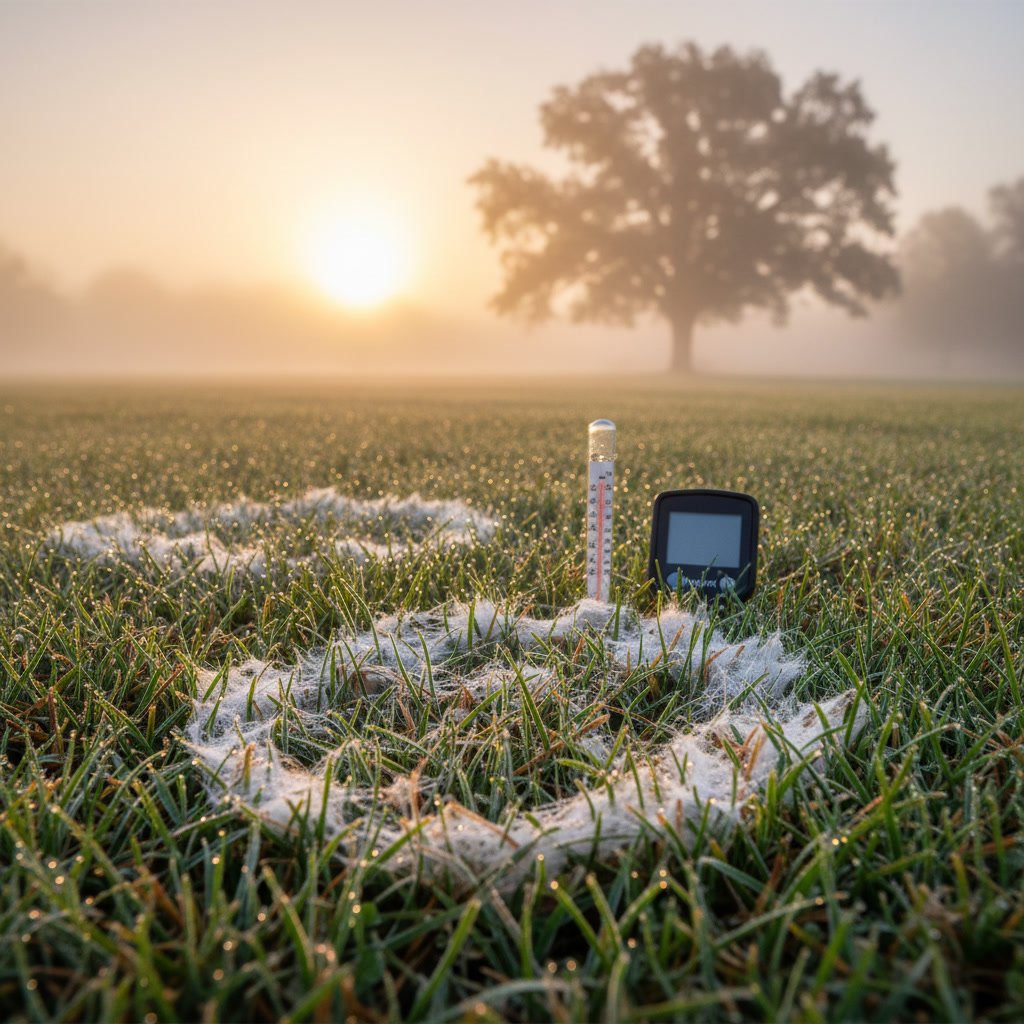
Most lawn fungi thrive when nighttime temperatures stay above 60 degrees and daytime humidity exceeds 80 percent. These conditions appear frequently across New York during late spring and throughout summer. Morning dew that lingers past 10 a.m. provides the sustained moisture fungal spores need to germinate and spread.
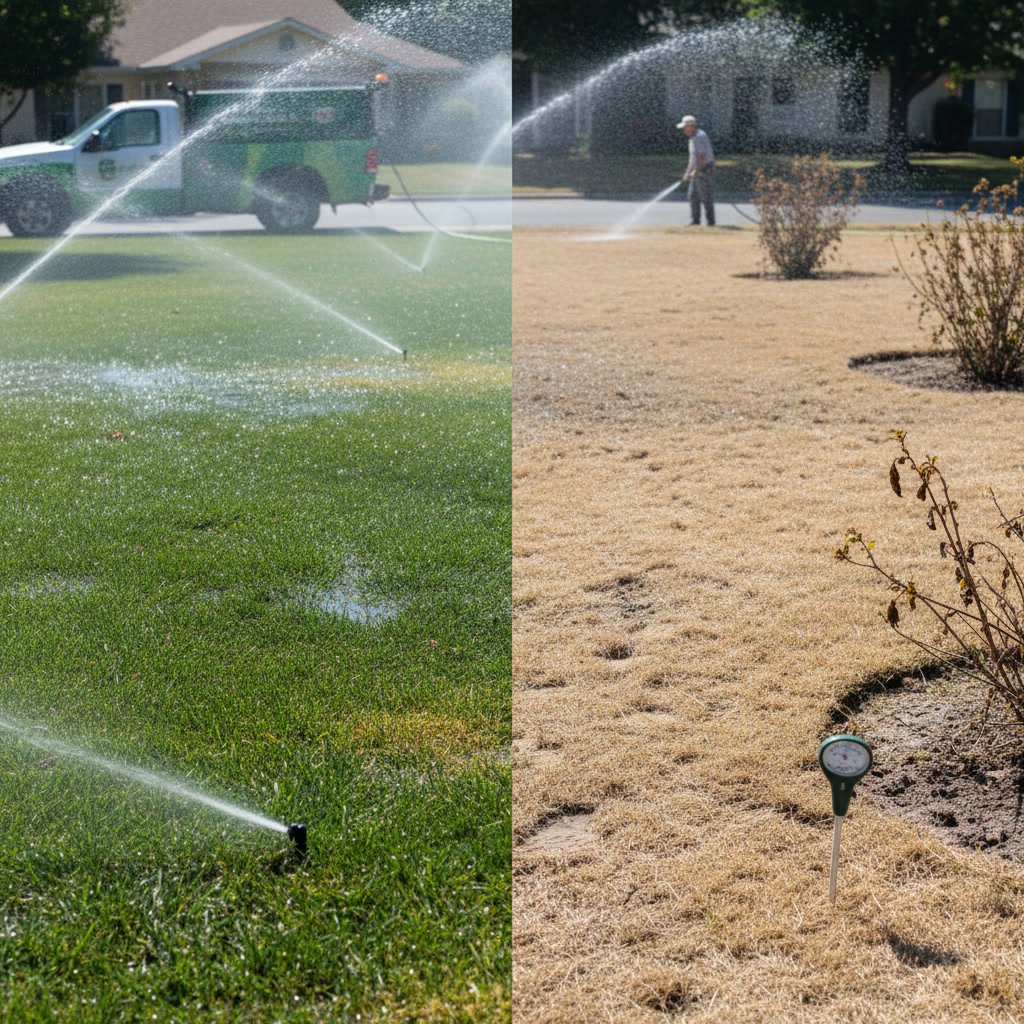
Overwatering compounds the problem significantly. Grass that remains wet for more than six to eight hours becomes a fungal breeding ground. Evening watering schedules prove particularly problematic because grass blades stay damp through the cool night hours when many fungi reproduce most actively.
Seven Common Warning Signs Appearing Before Major Damage
Brown patch disease creates circular dead zones ranging from six inches to several feet in diameter. The outer edge often appears darker or water-soaked, while the center may contain surviving grass that gives the patch a donut shape. This pattern distinguishes fungal infection from drought damage or pet urine spots.
Dollar spot produces small, silver-dollar-sized bleached areas that merge into larger irregular patches. Individual grass blades show tan lesions with reddish-brown borders. This fungus strikes hardest on lawns receiving insufficient nitrogen, making it both a disease and a nutrient deficiency indicator.
Powdery mildew appears as white or gray coating on grass blades, most visible in shaded areas with poor air circulation. Infected grass looks dusty or frosted even during dry weather. Homeowners often mistake this for residue or pollen until the grass beneath begins thinning.
Red thread disease produces pink or red fungal growths that extend from grass blade tips, resembling thin threads or needles. This fungus prefers cool, wet conditions and typically appears during spring or fall. Affected areas look scorched but closer inspection reveals the distinctive thread-like structures.
Rust fungus creates orange or yellow-brown pustules on grass blades that rub off on shoes and clothing. Lawns infected with rust appear orange-tinted from a distance. This disease spreads rapidly during periods alternating between wet and dry conditions.
Snow mold emerges as matted circular patches after snow melts, ranging from white to pink depending on the fungal species. The grass appears bleached and stuck together as though someone spilled glue on it. This damage occurs under snow cover but becomes visible only in early spring.
Fairy rings form dark green circles or arcs where fungus grows through soil, sometimes producing mushrooms along the pattern. The grass inside the ring may appear greener, brown, or unchanged. These rings expand outward each year, creating distinctive patterns that persist for decades.
How Improper Mowing Practices Spread Disease in Owego
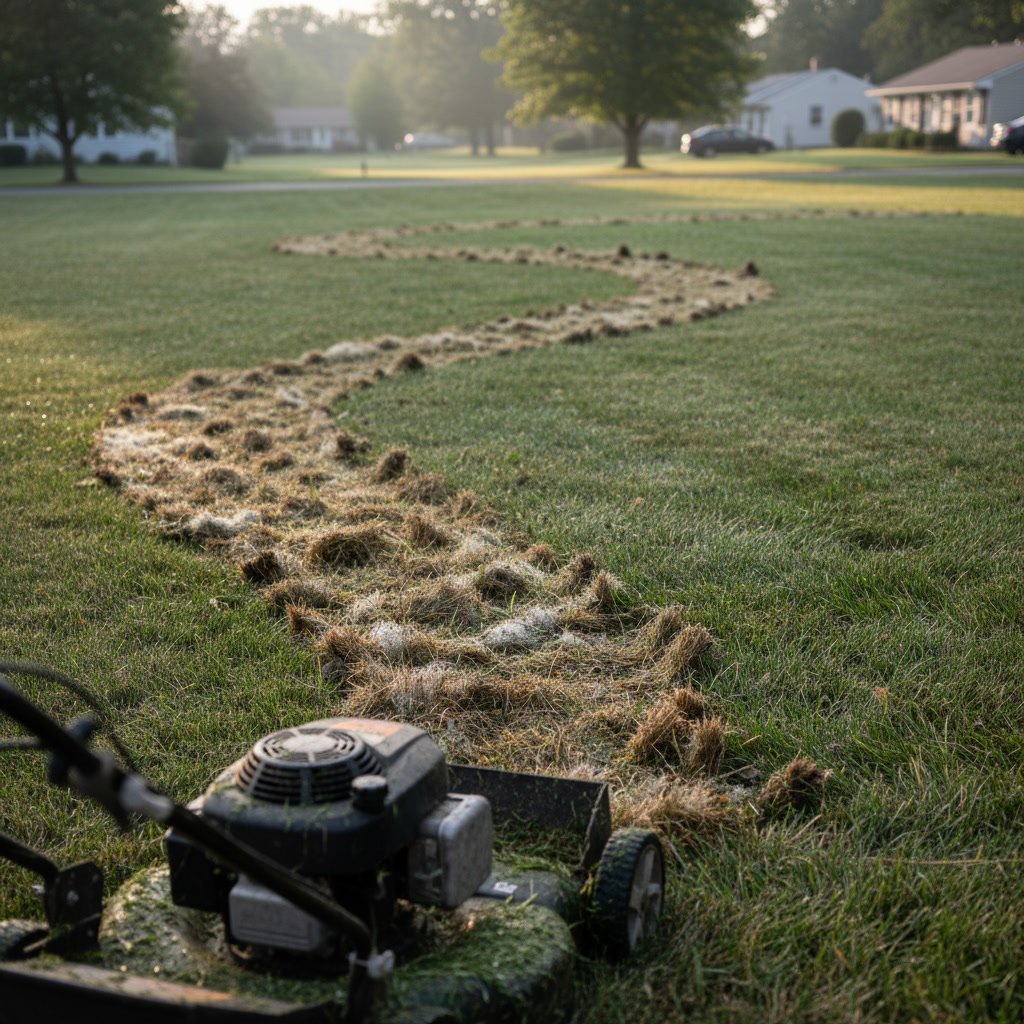
Mowing wet grass transports fungal spores across your entire property. Mower blades act as disease vectors, carrying infected clippings from one section to another. A single pass through a diseased patch can contaminate previously healthy areas within the same mowing session.
Dull mower blades tear grass rather than cutting cleanly, creating entry points for fungal infection. Ragged blade tips dry out and turn brown, then become susceptible to colonization. Sharpening blades every 20 to 25 hours of use prevents this mechanical stress that weakens grass defenses.
Cutting grass shorter than three inches during summer increases heat stress and reduces the plant’s ability to photosynthesize. This weakened state makes infection more likely. Professional lawn care services adjust mowing height seasonally to maintain optimal grass health and disease resistance.
Soil Conditions That Encourage Fungal Growth
Compacted soil prevents proper drainage and creates standing water pockets where fungus thrives. Clay-heavy soils common throughout the region hold moisture longer than sandy or loamy alternatives. Core aeration breaks up compaction and improves water movement through the root zone.
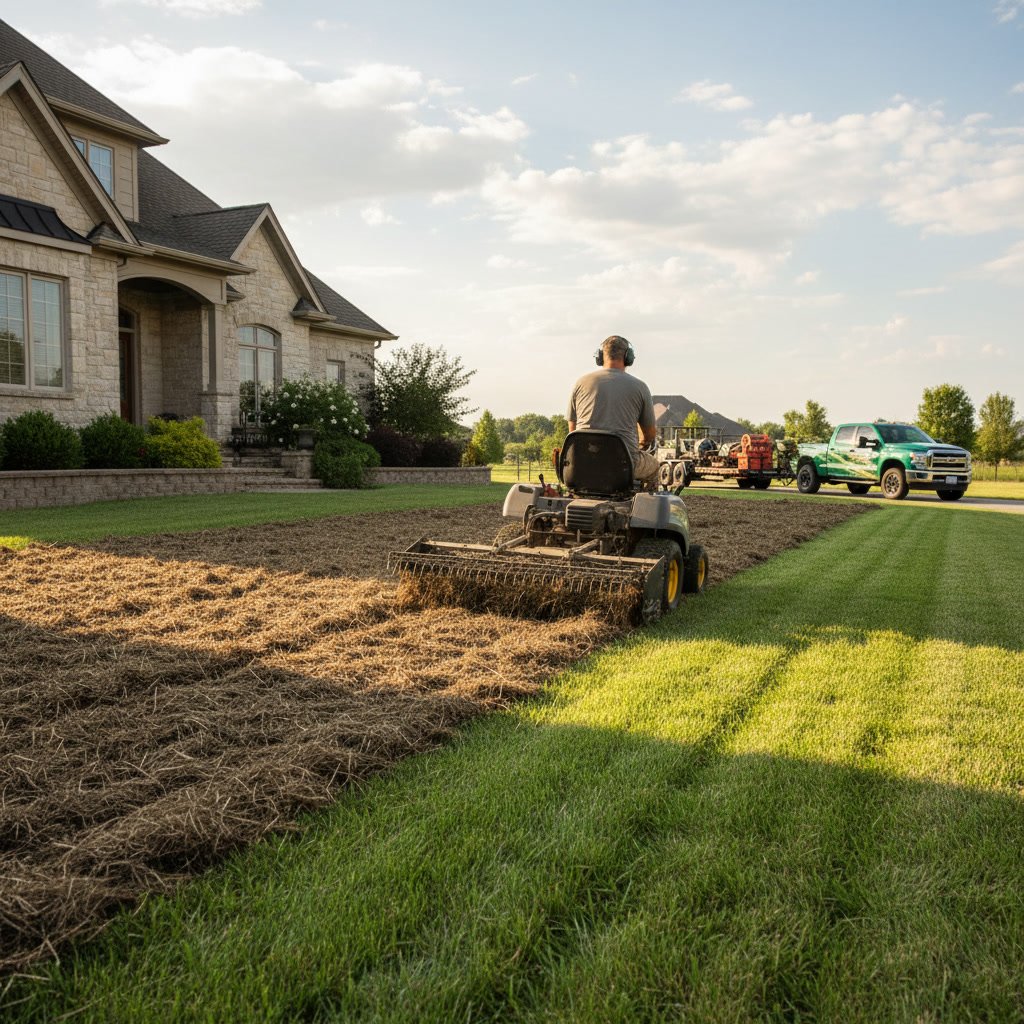
Thatch layers exceeding half an inch trap moisture against grass crowns and create humidity pockets. This organic debris layer provides both the moisture and decaying material fungi need to establish colonies. Regular dethatching removes this breeding ground before disease takes hold.
Soil pH outside the 6.0 to 7.0 range stresses grass and favors certain fungal species. Acidic soils below 6.0 encourage diseases like dollar spot, while alkaline conditions above 7.5 promote other infections. Annual soil testing identifies pH imbalances before they create disease vulnerability.
The Role of Fertilization Timing and Type
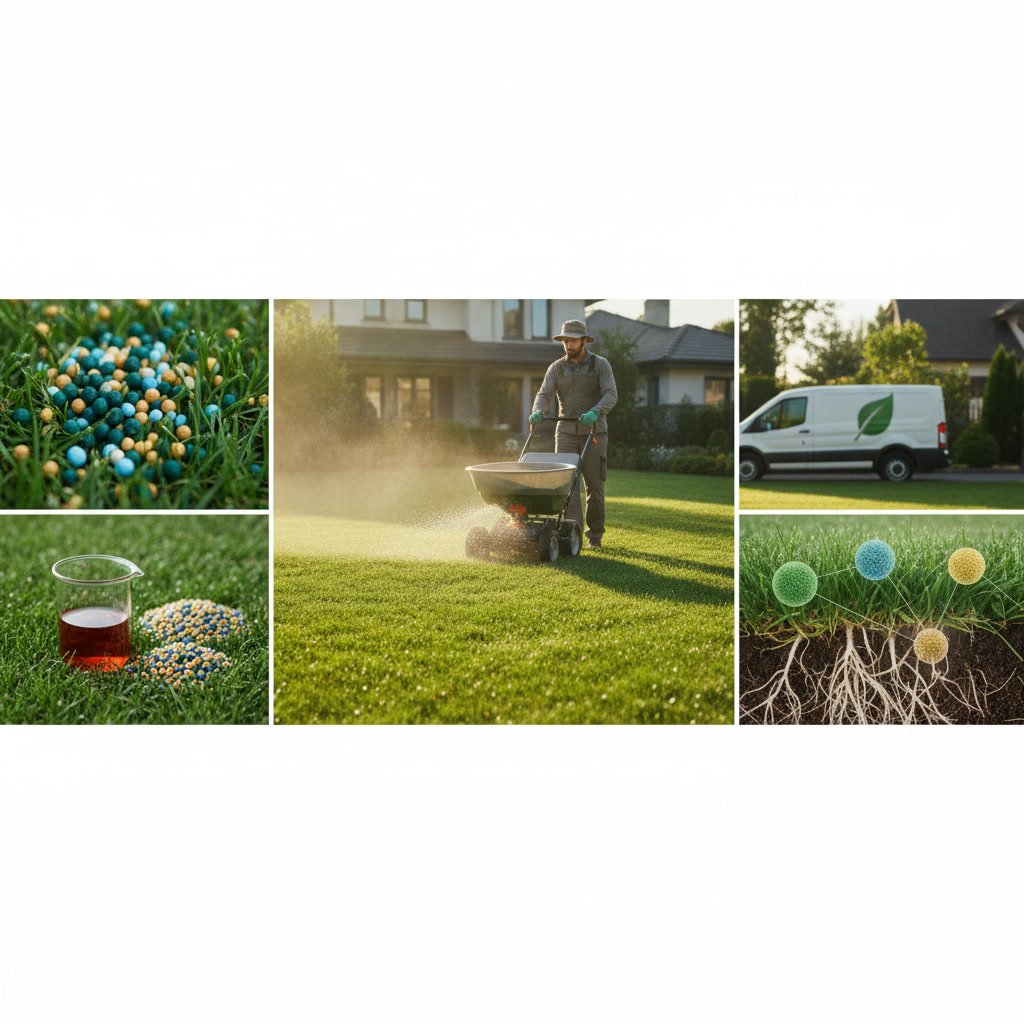
Heavy nitrogen applications during hot, humid weather fuel rapid, weak growth that fungus easily penetrates. Quick-release fertilizers create this soft, succulent tissue that lacks natural defenses. Slow-release formulations provide steady nutrition without the growth surges that increase disease susceptibility.
Phosphorus and potassium strengthen cell walls and improve overall plant health, creating natural resistance to infection. Balanced fertilizers addressing all three major nutrients produce hardier grass than nitrogen-only products. Professional services often integrate disease management strategies with carefully timed fertilization schedules.
Spring fertilization should occur after grass actively grows but before summer heat arrives. Fall feeding strengthens roots for winter and promotes early spring recovery. These timing considerations reduce the window when vulnerable new growth coincides with peak fungal activity.
When Shade and Air Flow Become Critical Factors
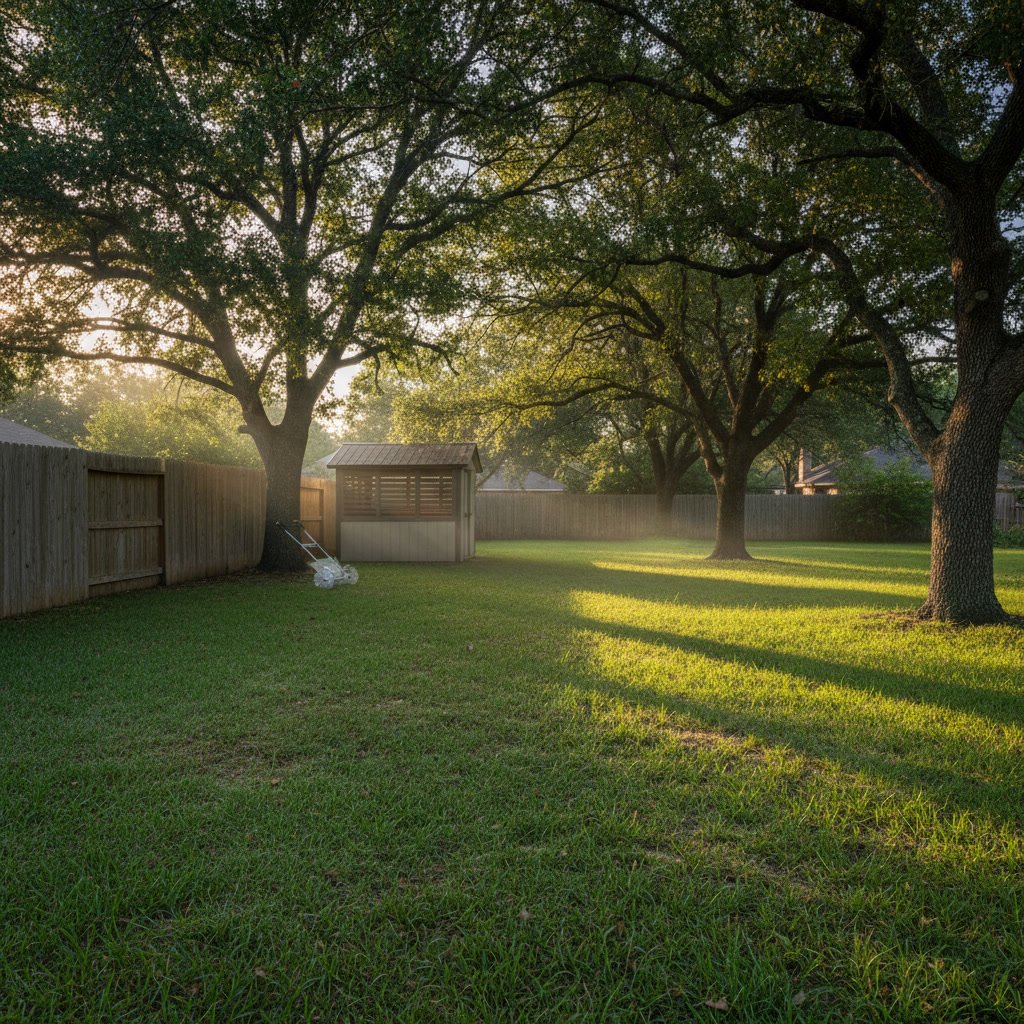
Dense tree canopies block sunlight and prevent morning dew from evaporating quickly. Grass growing in shade requires less water than full-sun areas, yet homeowners often apply uniform watering that oversaturates shaded zones. This persistent moisture supports fungal colonization throughout the growing season.
Poor air circulation under low-hanging branches or near structures allows humidity to build and linger. Trimming lower branches improves airflow and allows sunlight penetration that dries grass faster. Strategic tree pruning or trimming can dramatically reduce fungal pressure in problem areas.
Fences, buildings, and dense shrubs create microclimates with elevated humidity and reduced air movement. Identifying these zones helps you adjust watering schedules and mowing heights to compensate for conditions favoring disease development.
Why Early Detection Saves Money and Turf
Fungal infections spread exponentially once established. A six-inch patch can expand to cover several square yards within two weeks under favorable conditions. Early intervention treats the initial outbreak before it consumes significant turf area, reducing both treatment costs and recovery time.
Grass killed by severe fungal infection requires reseeding or sodding to restore. These repairs cost substantially more than preventive treatments or early-stage fungicide applications. Catching problems during the first week of symptoms typically allows recovery without permanent damage or replacement.
Repeated severe infections weaken grass root systems and create thin areas where weeds establish. Once weeds colonize these bare spots, lawn restoration becomes a multi-year project addressing both disease control and weed management. Prevention remains far more cost-effective than remediation.
Professional Diagnosis Versus Guesswork
Many lawn problems produce similar visual symptoms despite requiring completely different treatments. Grub damage, drought stress, and fungal disease can all create brown patches, yet each demands a unique solution. Misdiagnosis leads to wasted money on ineffective treatments and continued lawn deterioration.
Professional evaluation identifies the specific fungal species causing damage, allowing targeted treatment selection. Some fungi respond to cultural practice changes alone, while others require fungicide intervention. Experts assess contributing factors like soil conditions, drainage patterns, and maintenance practices that amateur diagnosis overlooks.
Laboratory analysis provides definitive identification when visual inspection proves inconclusive. Knowing whether you face brown patch, pythium blight, or summer patch determines treatment timing, product selection, and long-term management strategies. This precision eliminates the trial-and-error approach that allows damage to worsen.
Protecting Your Investment Through All Seasons
Lawn fungus represents one of many threats turf faces throughout the year. Integrated property management addresses disease alongside other concerns like insect damage, nutrient deficiencies, and seasonal stress. Understanding signs your lawn needs professional care this season helps you recognize when DIY efforts require expert support.
Comprehensive lawn services combine preventive treatments with ongoing monitoring that catches problems during the earliest stages. Regular property visits allow specialists to adjust care plans as seasonal conditions change, maintaining optimal grass health year-round rather than reacting to crises.
Winter preparation reduces spring disease pressure by addressing thatch, improving drainage, and strengthening grass before dormancy. Fall treatments set the foundation for healthy spring emergence that resists infection during vulnerable growth phases. This cyclical approach proves more effective than addressing problems only after they appear.
Moving Forward with Healthier, More Resilient Turf
Recognizing early warning signs gives you the window needed to prevent minor infections from becoming major restoration projects. Temperature, moisture, soil conditions, and maintenance practices all influence whether fungal spores remain dormant or explode into visible disease. Adjusting these factors creates an environment favoring grass health over fungal growth.
Professional assessment removes the guesswork from diagnosis and treatment selection. Expert evaluation identifies not just the current problem but the underlying conditions that allowed it to develop, creating long-term solutions rather than temporary fixes.
TEK 22 Tree Service brings specialized knowledge to complex lawn health challenges throughout the region. Whether you notice suspicious patches developing or want to prevent problems before they start, professional guidance protects your property investment. Call +16072375153 to schedule an evaluation and discover how targeted care keeps your lawn healthy through every season.