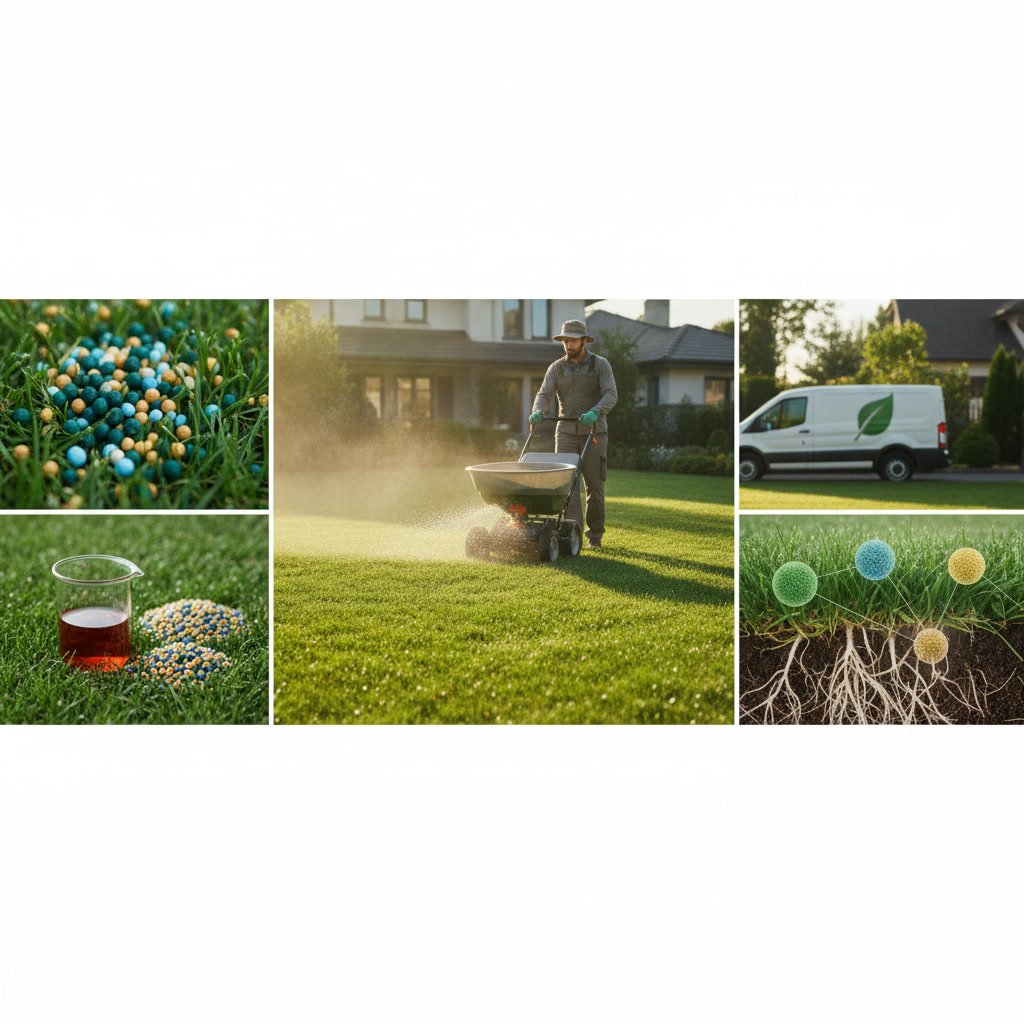
The lawn fertilization process delivers essential nutrients directly to grass roots and foliage, triggering biological responses that strengthen cell walls, deepen roots, and improve color. Nitrogen promotes blade growth, phosphorus supports root development, and potassium increases disease resistance. When applied correctly, these nutrients enter the soil or leaf tissue within hours and begin fueling metabolic processes that transform weak, pale turf into dense, resilient growth.
Why Your Grass Needs More Than Rain and Sunlight
Grass plants extract nutrients from the soil as they grow, and over time, these reserves deplete. Mowing removes organic matter that would otherwise decompose and return nutrients to the earth. Heavy rainfall leaches nitrogen and potassium deeper into the soil profile, beyond the reach of shallow roots. Without supplemental feeding, turf becomes chlorotic, thin, and vulnerable to weeds that thrive in nutrient-poor conditions.
Soil tests reveal exactly which elements are deficient. Sandy soils lose nutrients faster than clay, while acidic soils lock up phosphorus even when present. Understanding your soil type and pH helps determine which fertilizer formula and application schedule will deliver the best results. A single test every two to three years provides a baseline for adjusting inputs.
The Three Essential Nutrients Every Lawn Depends On
Every bag of fertilizer displays three numbers representing nitrogen, phosphorus, and potassium percentages. Nitrogen drives vegetative growth and chlorophyll production, giving grass its deep green color. Phosphorus strengthens root systems and aids energy transfer within plant cells. Potassium regulates water uptake, improves drought tolerance, and fortifies cell walls against disease and cold stress.
Different grass species and growth stages require different ratios. Cool-season grasses benefit from higher nitrogen in spring and fall when they actively grow. Warm-season varieties need balanced feeding during summer months. Newly seeded lawns require more phosphorus to establish roots, while mature turf focuses on maintenance ratios that sustain color and density without excessive top growth.
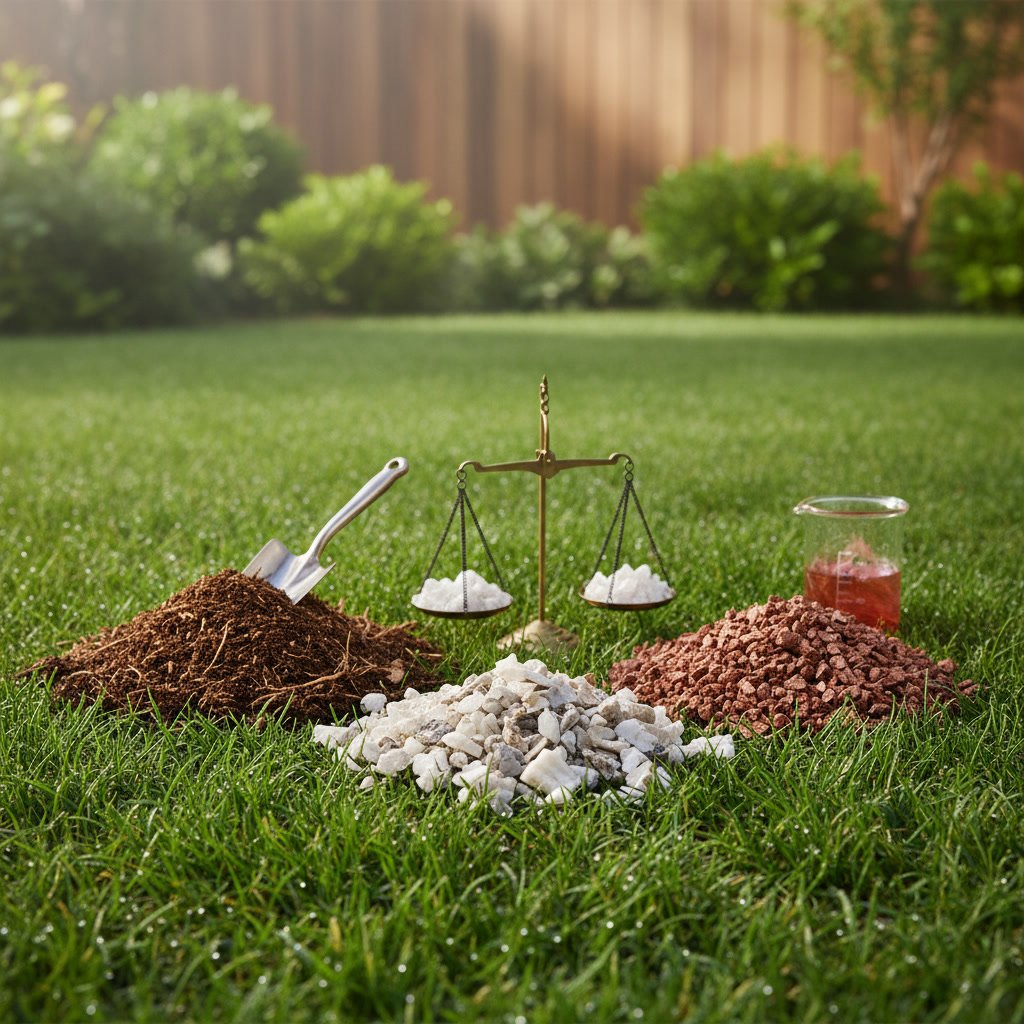
How Granular and Liquid Fertilizers Work Differently
Granular fertilizers release nutrients slowly as soil microbes break down coatings and water dissolves particles. Slow-release formulas feed grass for six to twelve weeks, reducing the risk of burn and minimizing nutrient runoff. Quick-release granules dissolve within days, providing a rapid green-up but requiring more frequent applications to maintain results.
Liquid fertilizers enter grass blades through stomata and reach roots through soil absorption. They act within 24 to 48 hours, making them ideal for correcting deficiencies quickly or delivering micronutrients like iron that improve color without stimulating excessive growth. Foliar feeding works best in early morning when stomata open and temperatures stay moderate, allowing maximum uptake before evaporation occurs.
Step-by-Step Breakdown of Professional Application
Professional applicators begin by calibrating equipment to match product specifications and lawn square footage. Overlapping passes or uneven speed causes striping, while gaps leave unfed patches that remain pale and weak. A broadcast spreader distributes granules uniformly, and applicators walk at a steady pace to ensure consistent coverage across the entire treatment area.
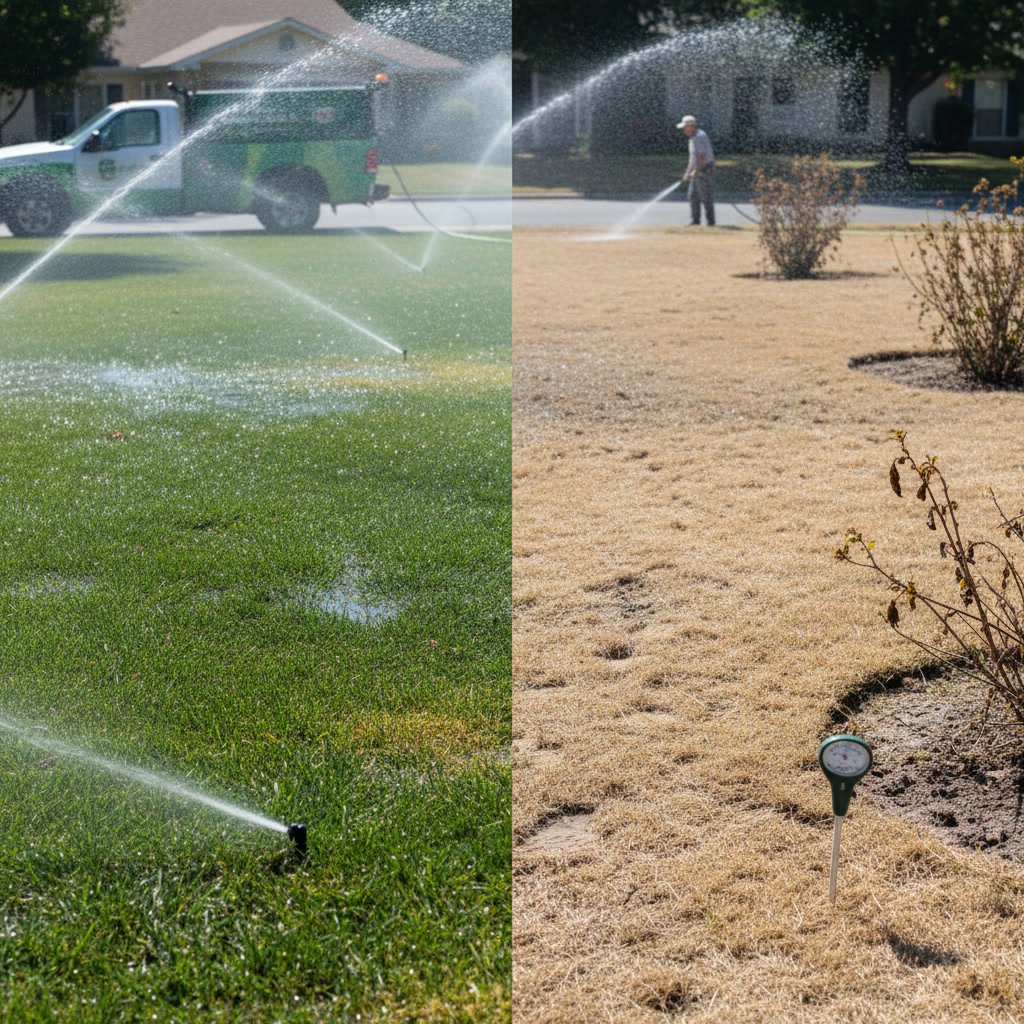
After spreading, watering activates granular products and moves nutrients into the root zone. Approximately one-quarter inch of water dissolves particles without washing them into storm drains. Liquid applications require no immediate watering, but rain within 24 hours can reduce effectiveness by washing product off leaf surfaces before absorption completes.
Timing matters as much as technique. Fertilizing during dormancy wastes product, while feeding during extreme heat stresses grass and increases burn risk. Spring and fall applications align with natural growth cycles, delivering nutrients when grass can metabolize them efficiently. A well-timed program typically includes three to four treatments spaced evenly through the growing season.
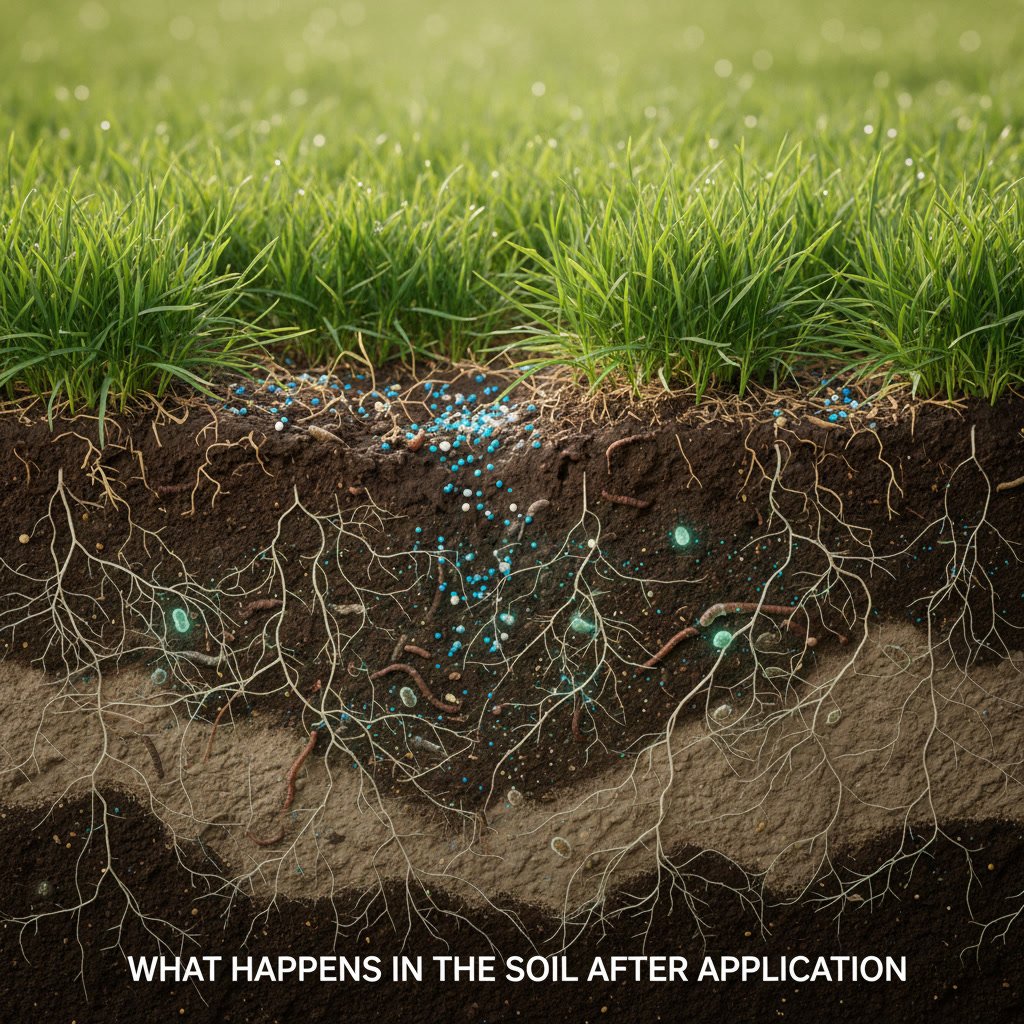
What Happens in the Soil After Application
Once fertilizer enters the soil, microorganisms begin breaking down organic nitrogen sources into ammonium and nitrate forms that grass roots absorb. This conversion takes days to weeks depending on soil temperature and moisture. Synthetic fertilizers provide nutrients in immediately available forms, bypassing microbial processes but offering no long-term soil health benefits.
Root hairs absorb dissolved nutrients through osmosis, transporting them to growing points where cell division occurs. Nitrogen moves quickly through xylem tissue to leaves, while phosphorus and potassium accumulate in roots and crowns. As nutrient concentrations increase inside plant cells, grass produces more chlorophyll, lignin, and carbohydrates that fuel growth and stress resistance.
How Nutrients Strengthen Grass Against Stress
Adequate potassium levels help grass regulate water movement through cell membranes, reducing wilting during drought and improving recovery after traffic or mowing. Nitrogen-fed grass produces thicker blades with more rigid cell walls that resist disease penetration. Phosphorus-rich roots grow deeper, accessing moisture and nutrients beyond the reach of shallow, underfed systems.
Well-fed turf crowds out weeds by filling in bare spots before opportunistic species establish. Dense growth shades soil, preventing weed seed germination and reducing the need for herbicide applications. A thick canopy also insulates soil, moderating temperature swings that stress roots during seasonal transitions.
Balanced nutrition reduces pest pressure by maintaining vigorous growth that outpaces damage from insects and disease. While fertilizer alone does not eliminate problems, it creates conditions where grass recovers quickly and pathogens struggle to gain footholds. Combining proper feeding with insect management and disease management strategies delivers comprehensive protection.
Common Mistakes That Reduce Fertilizer Effectiveness
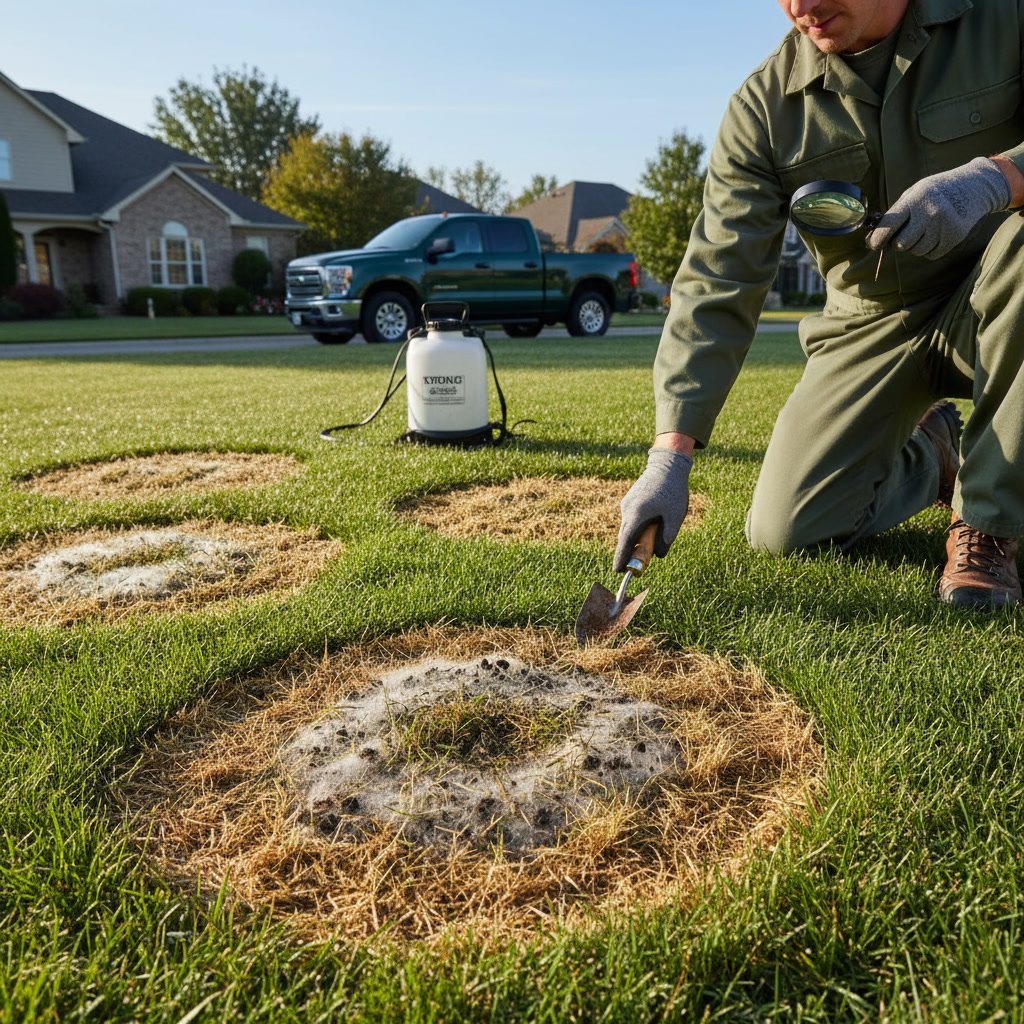
Applying too much nitrogen at once forces excessive blade growth that depletes carbohydrate reserves and weakens roots. Grass becomes soft and susceptible to disease, requiring more frequent mowing and increasing water demand. Over-fertilization also burns leaf tissue, leaving brown patches that take weeks to recover.
Spreading fertilizer on frozen ground or before heavy rain wastes product and pollutes waterways. Nutrients run off instead of penetrating soil, contributing to algae blooms in lakes and streams. Proper timing and weather monitoring prevent these environmental and economic losses.
Ignoring soil pH limits nutrient availability even when fertilizer is present. Acidic soils below 6.0 lock up phosphorus, while alkaline soils above 7.5 reduce iron and manganese uptake. Lime raises pH, sulfur lowers it, and adjustments take months to stabilize, making pH correction a long-term planning consideration rather than a quick fix.
Why Slow-Release Formulas Deliver Better Long-Term Results
Coated granules release nutrients gradually as moisture and temperature fluctuate, matching grass uptake rates and reducing leaching losses. A single slow-release application can feed turf for eight to twelve weeks, minimizing labor and equipment costs while maintaining steady growth. This approach prevents the surge-and-crash cycle common with quick-release products that green grass rapidly then fade within weeks.
Polymer and sulfur coatings control release rates based on soil temperature, ensuring nutrients become available when grass actively grows rather than sitting dormant during cold or hot extremes. This temperature-responsive mechanism improves efficiency and reduces the risk of groundwater contamination from excess nitrates.
Combining slow-release base nutrition with occasional liquid micronutrient treatments addresses both macro and trace element needs. Iron sulfate boosts color without promoting growth, while manganese and zinc correct specific deficiencies that cause mottling or stunted development. This layered approach provides complete nutrition tailored to turf performance goals.

Lawn Care Considerations for Owego Properties
Properties in Owego experience cold winters and variable spring moisture that influence fertilizer timing and formulation. Fall applications prepare grass for dormancy by building root reserves and improving cold hardiness. Spring feeding should wait until soil temperatures reach 55 degrees and grass shows active growth, typically mid-April to early May depending on elevation and microclimate.
Heavy clay soils common in the region hold nutrients longer but drain poorly, increasing the risk of compaction and limiting root oxygen. Aerating before fertilizing improves penetration and reduces runoff. Sandy pockets near waterways require lighter, more frequent applications to prevent leaching into aquifers and streams.
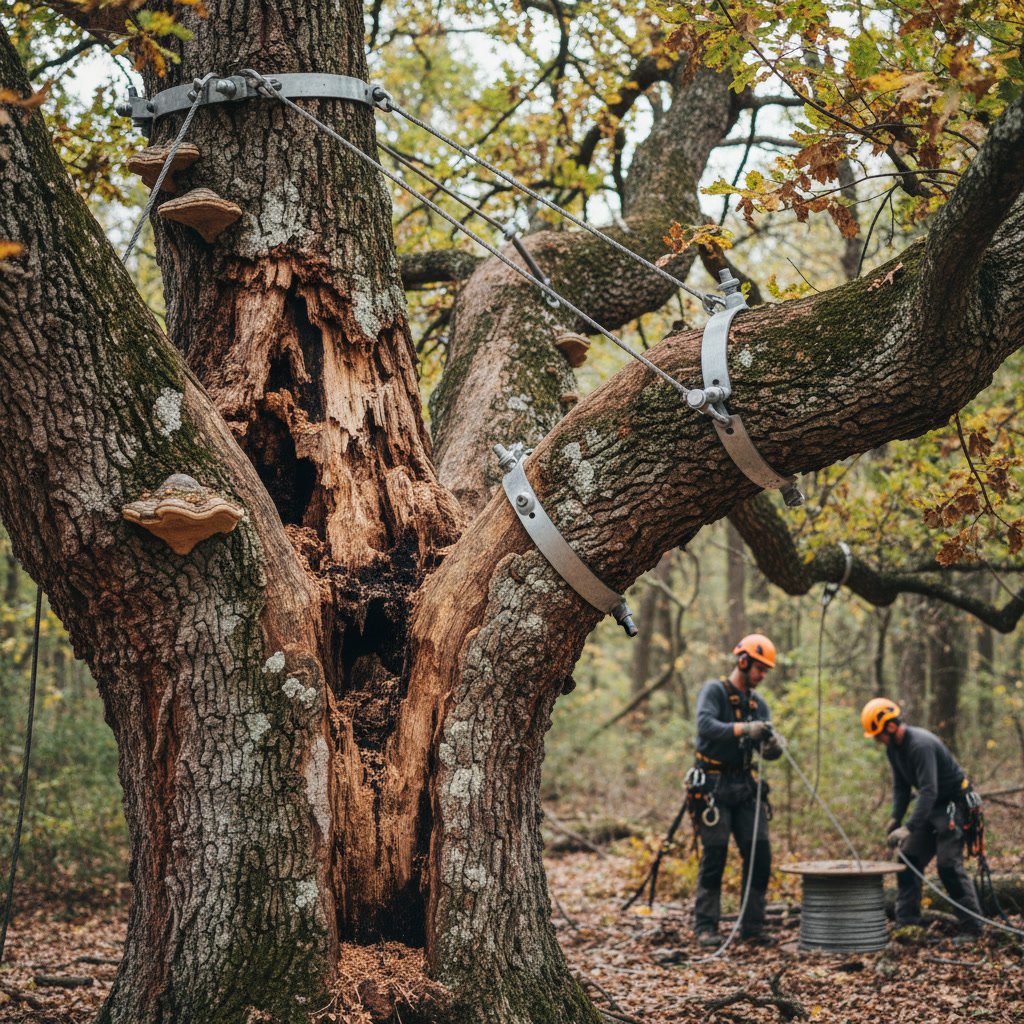
Integrated property management considers how lawn care interacts with other landscape elements. Mature trees compete with turf for water and nutrients, requiring adjusted fertilizer rates near drip lines. Newly planted specimens benefit from coordinated feeding schedules that support both tree planting establishment and surrounding grass health without creating excess vegetative growth.
Adjusting Your Program Based on Seasonal Growth Patterns
Cool-season grasses enter semi-dormancy during summer heat, reducing nutrient uptake and increasing burn risk. Light summer feeding maintains color without forcing growth, while heavier fall applications capitalize on active root development as temperatures moderate. This seasonal adjustment maximizes efficiency and minimizes stress.
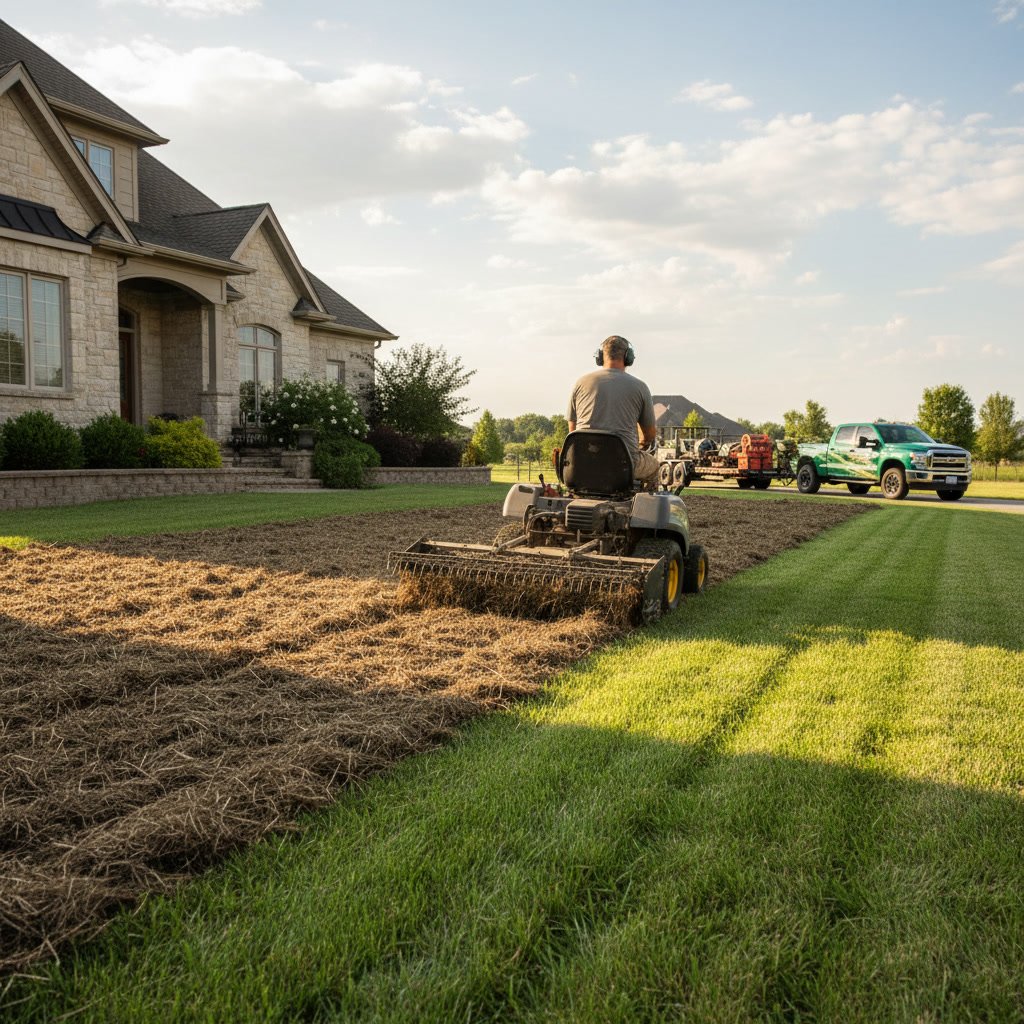
Spring fertilization should follow core aeration to move nutrients directly into the root zone and accelerate recovery from winter damage. Combining feeding with overseeding fills thin areas and introduces improved cultivars that resist disease and drought. Timing these operations together reduces labor and improves establishment rates by providing seedlings with immediate nutrition.
Late-season applications in October or early November strengthen grass before dormancy, improving spring green-up and reducing early-season weed pressure. This winterizer treatment emphasizes potassium and phosphorus over nitrogen, building reserves without stimulating tender growth vulnerable to freeze damage. Understanding what happens during a professional lawn care service helps property owners recognize quality work and set realistic expectations for results.
Building a Healthier Lawn Through Proper Nutrition
Consistent feeding transforms weak turf into dense, resilient growth that withstands foot traffic, drought, and disease pressure. Understanding nutrient roles and application timing allows property owners to make informed decisions about fertilizer programs. Soil testing removes guesswork, while professional equipment ensures even distribution and proper rates that maximize effectiveness without environmental harm.
A well-fed lawn requires less water, fewer pesticides, and less frequent renovation. It adds curb appeal, provides functional outdoor space, and reduces erosion on slopes. Knowing signs your lawn needs professional care this season helps catch problems early, before they require expensive corrective treatments or total renovation.
TEK 22 Tree Service provides complete lawn nutrition programs tailored to regional soil conditions and grass species. Whether your property needs a single treatment or season-long care, our team delivers precise application and expert guidance. Call +16072375153 to schedule a consultation and start building the healthy, vibrant lawn your property deserves.