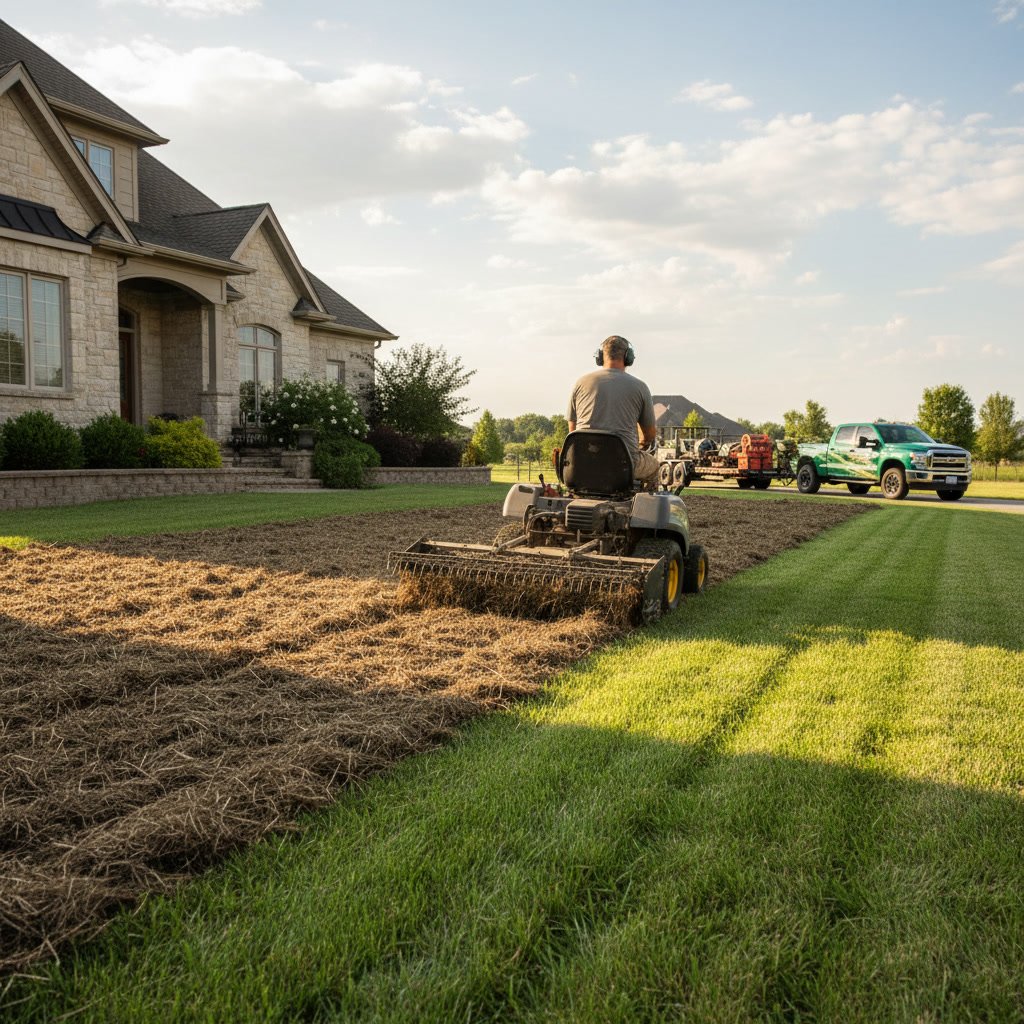
Dethatching removes the dense layer of dead grass, roots, and organic matter that blocks water, nutrients, and oxygen from reaching soil. Most lawns benefit from dethatching lawn when thatch exceeds half an inch, typically in late spring or early fall depending on grass type. This process uses a specialized rake or power dethatcher to pull buildup from the turf, allowing healthier growth and improved resilience against disease and drought.
Understanding the Thatch Layer in Your Yard
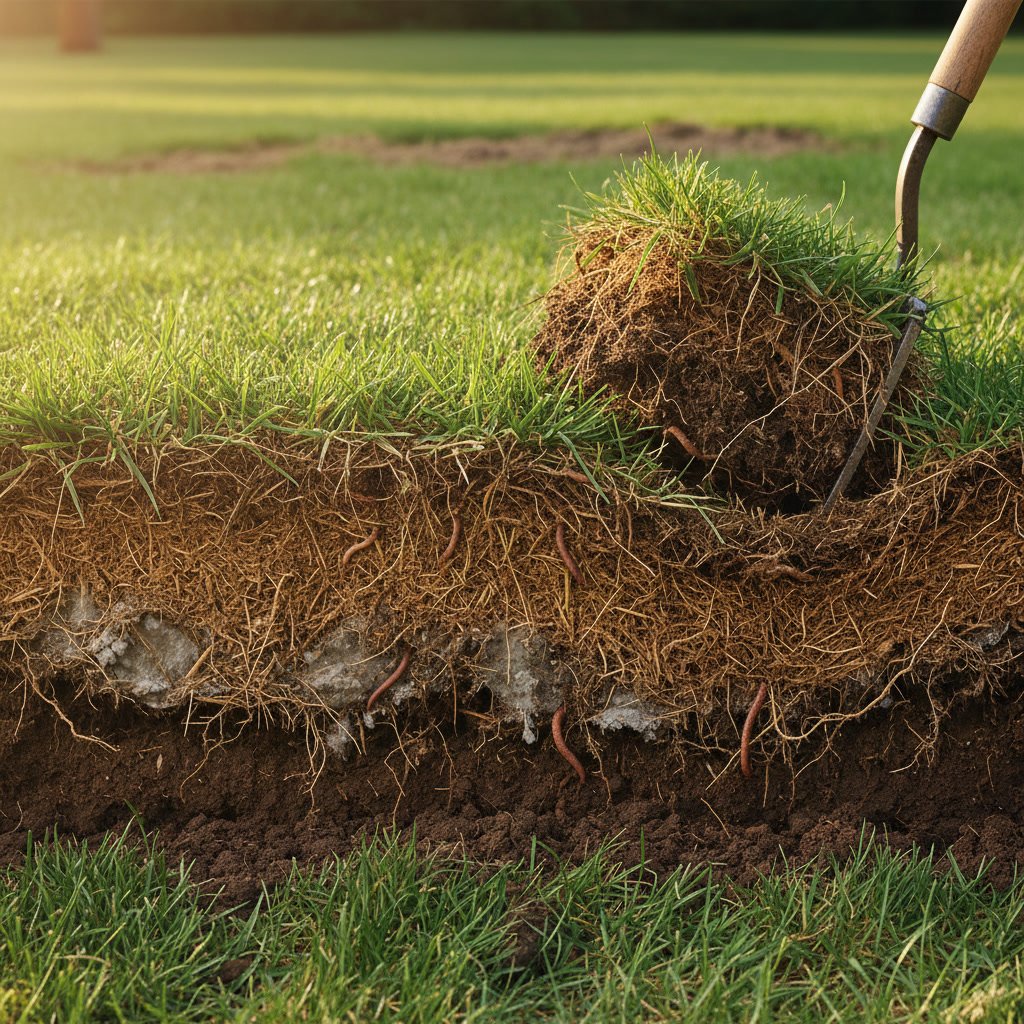
Thatch is a tightly woven mat of living and dead stems, roots, and organic debris that accumulates between the green grass blades and the soil surface. A thin layer, about one-quarter to one-half inch, actually benefits your yard by moderating soil temperature and reducing water evaporation. Problems arise when this layer exceeds half an inch, creating a spongy, waterproof barrier that prevents moisture and nutrients from penetrating the root zone.
Several factors accelerate thatch buildup. Over-fertilization with high-nitrogen formulas pushes rapid top growth that dies back faster than soil microbes can decompose it. Heavy clay soils and compacted earth slow microbial activity, leaving organic matter to pile up. Certain grass varieties, particularly Kentucky bluegrass and fine fescues, naturally produce more thatch than others due to their dense rhizome and stolon structures.
Why Excessive Thatch Harms Grass Health
When thatch grows too thick, it creates a hostile environment for turf. Water runs off the surface or pools in the mat instead of soaking into the soil, leaving roots dry even after irrigation or rainfall. Fertilizer granules lodge in the thatch rather than reaching the soil, wasting nutrients and money while starving the root system below.
The spongy layer also harbors disease organisms and insect pests. Fungal pathogens thrive in the moist, oxygen-poor environment, increasing the risk of brown patch, dollar spot, and other lawn diseases. Chinch bugs and grubs find shelter in thick thatch, protected from predators and treatments. Grass roots begin growing horizontally within the thatch instead of reaching deep into the soil, making the entire lawn more vulnerable to drought stress and temperature extremes.
How to Measure Thatch Depth Accurately
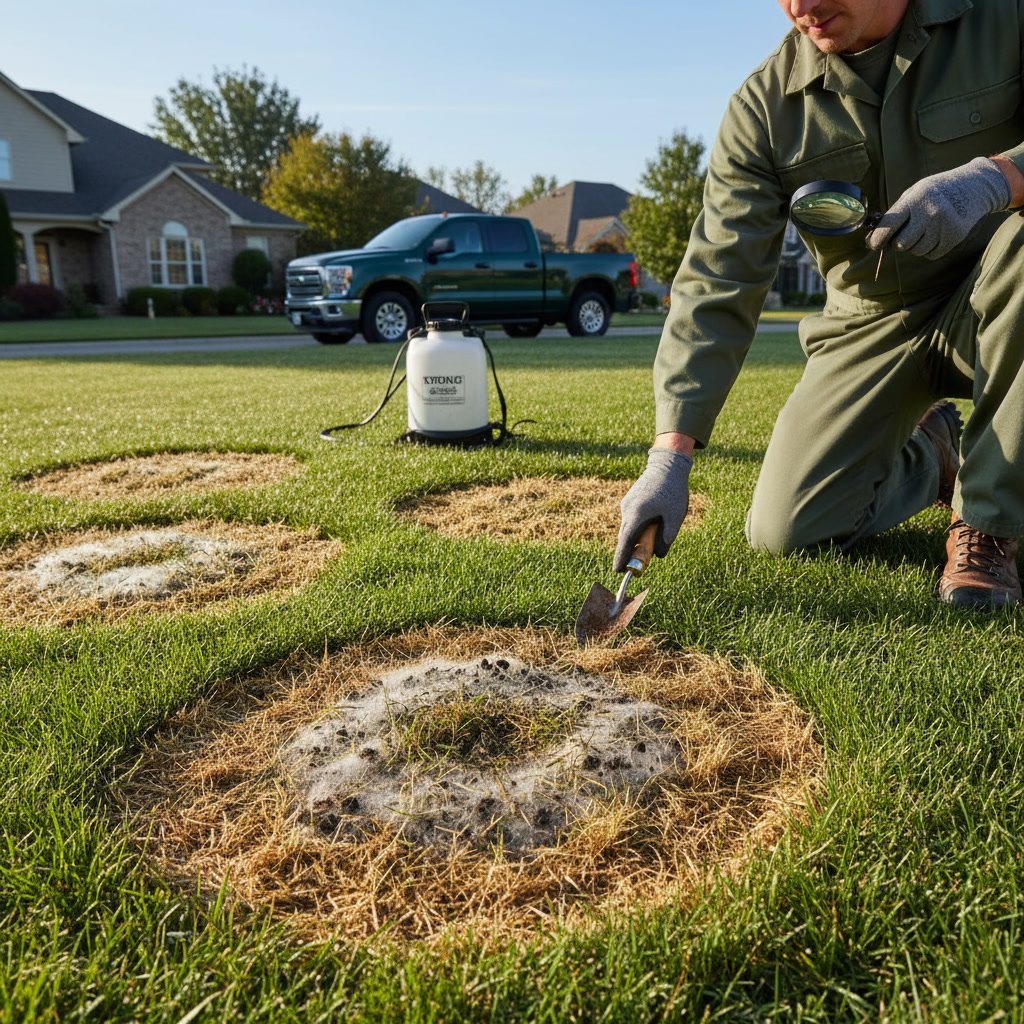
Testing your lawn takes less than five minutes. Use a spade or soil knife to cut a small wedge from the turf, about four inches deep. Lift the wedge and examine the cross-section. The brown, fibrous layer between the green grass blades and the dark soil is thatch. Measure its thickness with a ruler.
If the layer measures less than half an inch, your lawn does not need dethatching. Between half an inch and three-quarters of an inch indicates moderate buildup that will benefit from treatment soon. Anything thicker than three-quarters of an inch requires immediate attention. Perform this test in multiple areas, since thatch accumulation varies across the yard based on drainage, sunlight, and traffic patterns.
Best Timing for Dethatching in Owego
The ideal window depends on your grass type. Cool-season grasses like Kentucky bluegrass, perennial ryegrass, and tall fescue dominate lawns throughout Owego and should be dethatched in early fall or late spring. Early fall dethatching, typically late August through September, allows grass to recover during the optimal growing season while cooler temperatures reduce stress. Late spring dethatching works when fall scheduling conflicts arise, but wait until grass greens fully and begins active growth, usually mid to late May.
Warm-season grasses, rare in this region but occasionally found in specialized turf installations, require dethatching in late spring or early summer when they enter their peak growth phase. Never dethatch during dormancy, extreme heat, or drought. The process stresses grass significantly, and recovery depends on favorable growing conditions immediately following treatment.
Manual Versus Power Dethatching Methods
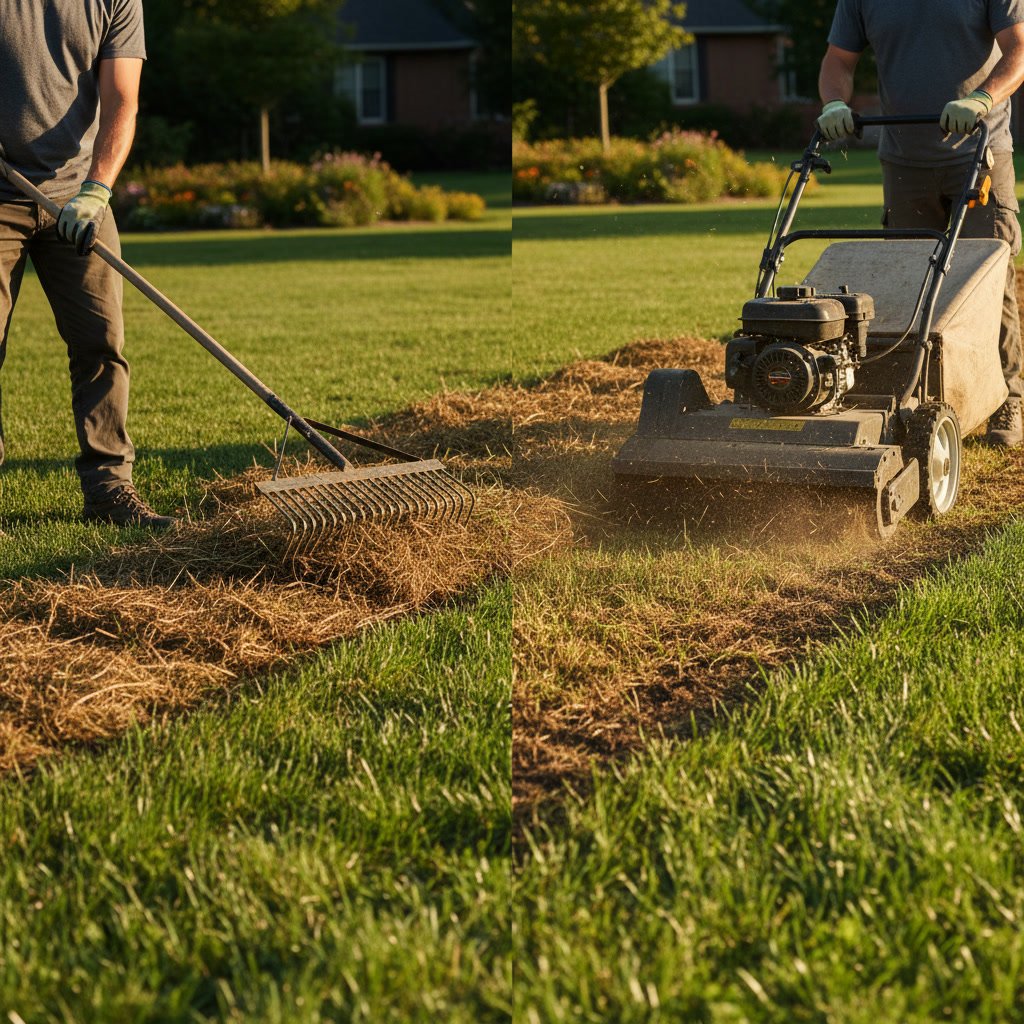
Small lawns under 1,000 square feet can be dethatched manually using a specialized dethatching rake with sharp, curved tines. This tool requires significant physical effort, raking vigorously to pull thatch from the turf. Manual raking gives you precise control and works well for spot treatment of problem areas, but becomes impractical for larger properties.
Power dethatchers, also called vertical mowers or verticutters, use rotating blades or spring tines to slice through thatch and lift it to the surface. Rental units handle most residential lawns effectively. Professional-grade machines offer adjustable blade depth and spacing for different grass types and thatch severity. The equipment looks aggressive in action, but proper settings and technique prevent damage to healthy grass while efficiently removing buildup.
Step-by-Step Dethatching Process
Proper preparation and execution make the difference between a rejuvenated lawn and damaged turf. Follow these steps for best results:
First, mow your grass shorter than normal, about half its usual height. This exposes the thatch layer and prevents the dethatcher from catching tall blades. Water the lawn one to two days before dethatching so soil is slightly moist but not saturated. Wet soil helps the machine penetrate thatch without tearing grass roots.
Set the dethatcher blades to just penetrate the thatch layer without gouging soil. Too shallow leaves thatch behind, while too deep damages grass crowns and roots. Make one pass over the entire lawn in a single direction. For severe thatch over one inch thick, make a second pass perpendicular to the first.
Rake up the massive piles of debris the machine brings to the surface. A single dethatching session on a heavily thatched lawn can fill dozens of lawn bags. The turf will look terrible immediately after treatment, appearing thin and brown. This is normal and temporary.
Essential Recovery Steps After Treatment
Your lawn needs immediate support following dethatching. Apply a balanced fertilizer to stimulate new growth and help grass recover from the stress. Water deeply and consistently for the next two to three weeks, keeping soil moist but not waterlogged. This encourages roots to grow down into the newly accessible soil.
Overseed bare or thin areas within 48 hours of dethatching. The open soil and reduced competition from thatch create ideal conditions for seed germination. Choose a grass seed blend that matches your existing turf type and suits local conditions. For comprehensive guidance on supporting your lawn through different seasons, read more about what happens during a professional lawn care service.
Avoid heavy foot traffic for three to four weeks after dethatching. The stressed grass needs time to reestablish without additional damage. Resume normal mowing when grass reaches one-third taller than your target height, never removing more than one-third of the blade length in a single cutting.
Preventing Future Thatch Accumulation
Long-term thatch management requires adjusting maintenance practices. Core aeration once or twice annually improves soil microbial activity that breaks down organic matter naturally. The process removes small plugs of soil, reducing compaction and allowing air, water, and beneficial organisms to penetrate the root zone more effectively.
Moderate your fertilizer applications. Heavy nitrogen feeding pushes excessive top growth that outpaces natural decomposition. Follow soil test recommendations rather than generic feeding schedules. When you do fertilize, choose products with slow-release nitrogen that feeds grass steadily without growth spurts.
Regular mowing with sharp blades helps control thatch. Dull mowers tear grass instead of cutting cleanly, creating more dead tissue that contributes to buildup. Leave short grass clippings on the lawn after mowing. Contrary to popular belief, clippings do not cause thatch because they decompose quickly, returning valuable nutrients to the soil.

Signs Your Yard Needs Immediate Attention
Beyond measuring thatch depth, several visual and functional clues indicate your lawn needs dethatching. A spongy, bouncy feel when walking across grass suggests thick thatch beneath. Water pooling on the surface or running off quickly rather than soaking in points to an impermeable layer blocking penetration.
Brown patches that persist despite watering often result from roots trapped in thatch rather than disease. Grass that browns quickly during dry spells lacks the deep root system needed for drought tolerance, frequently because roots cannot reach soil through thick thatch. Increased insect or disease problems may stem from the protective harbor thatch provides to pests and pathogens.
If you notice these issues alongside thatch exceeding half an inch, professional treatment becomes urgent. For additional warning signs that your property needs expert intervention, review these signs your lawn needs professional care this season.
Professional Versus DIY Considerations
Homeowners with small lawns, physical fitness, and time can successfully dethatch using rental equipment. The process requires no specialized knowledge beyond understanding grass type and proper blade depth. However, several factors favor professional service.
Commercial dethatchers outperform rental units in power, durability, and adjustability. Professionals accurately assess thatch severity, select appropriate equipment settings, and recognize when soil conditions or grass health make dethatching inadvisable. They also handle the labor-intensive debris removal and disposal that overwhelms many DIY attempts.
TEK 22 Tree Service combines dethatching with comprehensive lawn care programs that address underlying causes of thatch buildup. This integrated approach delivers better long-term results than isolated dethatching. Properties with challenging terrain, large square footage, or multiple turf types benefit significantly from experienced handling.
Keeping Your Turf Healthy Year-Round
Dethatching forms one component of complete turf management. The practice works best when integrated with regular mowing, proper fertilization, adequate irrigation, and seasonal aeration. Understanding your specific grass varieties and their growth patterns allows you to time interventions for maximum benefit and minimum stress.
Healthy soil supports healthy grass that naturally resists excessive thatch accumulation. Test soil pH every two to three years and amend as needed to maintain optimal conditions for microbial activity. Incorporate organic matter through topdressing with quality compost to boost beneficial organism populations that decompose thatch naturally.
TEK 22 Tree Service offers complete property care beyond turf management, including tree pruning or trimming and insect management services that protect your entire landscape investment. Regular dethatching when thatch exceeds half an inch, combined with proper ongoing maintenance, keeps your lawn dense, green, and resilient against environmental stress and pest pressure. For problem lawns that seem beyond help or properties where previous providers quoted excessive costs, professional expertise makes the difference between continued decline and genuine recovery. Call +16072375153 to schedule an evaluation and discover how targeted dethatching restores your turf to peak health.