
Tree growth regulators slow vertical growth by 40 to 70 percent, dramatically reducing how often you need to prune and solving problems in tight spaces where regular maintenance is expensive or dangerous. These chemical treatments redirect a tree’s energy from rapid shoot elongation to root development and lateral branching, creating stronger, more compact canopies that require less frequent attention. For property owners dealing with trees under power lines, near structures, or in locations where access is limited, growth regulators offer a practical alternative to constant pruning cycles.
Why Traditional Pruning Creates Ongoing Challenges
Regular pruning becomes a cycle of repeated visits, climbing equipment, and recurring costs. Every time you cut a branch, the tree responds with vigorous regrowth at the cut points, often producing multiple shoots where one branch existed before. This biological reaction means the more aggressively you prune, the more frequently you need to return.
Trees in tight quarters compound the problem. When branches grow into utility lines or overhang structures, the window for safe trimming narrows. Waiting too long risks contact with electrical infrastructure or roof damage, but frequent cutting stresses the tree and drives up maintenance expenses year after year.
How Chemical Growth Control Works in Trees
Growth regulators mimic natural plant hormones that control cell elongation. When applied properly, they slow the production of gibberellin, the hormone responsible for rapid upward shoot growth. The tree continues photosynthesis and produces leaves, but vertical extension slows significantly for one to three years depending on the product and dosage.
The chemical enters the tree through foliage, bark, or soil depending on the formulation. Foliar sprays act fastest but require complete canopy coverage. Soil-applied products take longer to show effects but provide more consistent results across the entire root zone. Trunk injections deliver the most precise dosing but require specialized equipment and trained applicators.

Reduced Pruning Frequency in Hard-to-Reach Locations
Trees planted too close to structures or under power lines create access problems that make every pruning job expensive. Bucket trucks, rope access, or specialized rigging all increase labor costs. When you reduce growth by half, you cut the number of required visits by a similar margin over the product’s effective period.
A tree that previously needed annual trimming to maintain clearance might only require attention every two to three years after treatment. The financial benefit multiplies when dealing with multiple difficult trees across a property. For commercial sites managing dozens of trees in confined spaces, the cumulative savings become substantial.
Managing Trees Near Power Lines in Owego
Utility line conflicts represent the most common application for growth regulators in Owego and similar communities. When trees grow into primary distribution lines, the risk of power outages and fire hazards creates urgent need for control. Traditional pruning creates an unnatural shape and triggers aggressive regrowth at cut points.
Growth regulation maintains a more natural canopy form while keeping branches away from conductors. The reduced growth rate extends the safe clearance period, lowering both maintenance costs and the risk of service interruptions. Many utility companies now include growth regulators as part of their vegetation management programs for exactly these reasons.
Comparing Growth Regulators to Repeated Trimming
Traditional pruning removes existing growth after the tree has already invested energy producing it. You pay for the removal work, and the tree responds by pushing out new shoots to replace what was cut. The cycle repeats endlessly, with costs accumulating season after season.
Growth regulators prevent the excess growth from occurring in the first place. The tree allocates resources to root development, disease resistance, and lateral branching instead of vertical shoots. While the initial application cost exceeds a single pruning visit, the extended effect period means fewer total interventions over a five-year span.
The comparison becomes even more favorable for trees requiring specialized access equipment. A single bucket truck visit might cost $400 to $800 depending on tree size and location. If a growth regulator application costing $200 to $400 eliminates two pruning cycles, the return on investment is immediate.

Secondary Benefits Beyond Height Control
Reduced vertical growth is only the most visible effect. Trees treated with growth regulators typically develop denser canopies with more compact branching structure. The increased twig density can improve shade quality and aesthetic value in landscape settings.
Root development often improves when shoot growth slows. The tree redirects carbohydrates below ground, enhancing the root system’s ability to absorb water and nutrients. This improved root structure increases drought tolerance and overall tree health, which can reduce the need for disease management interventions.
Some studies show treated trees experience less storm damage because the slower, more controlled growth produces stronger branch attachments. The wood develops more gradually, with better structural integrity than rapidly grown, weak shoots that result from heavy pruning.
Application Timing and Dosage Considerations
Most growth regulators work best when applied during active growth periods in spring or early summer. The exact timing depends on the target species and the specific product chemistry. Applying too early before bud break reduces effectiveness, while late-season applications may not allow enough time for the chemical to distribute through the vascular system.
Dosage depends on tree species, size, and desired growth reduction. Shade trees like maples and oaks typically receive different rates than flowering species. Overapplication can cause excessive growth suppression or temporary leaf discoloration, while underdosing fails to provide meaningful reduction in pruning frequency.
Professional applicators calculate rates based on trunk diameter, canopy spread, and proximity to sensitive areas. The calculation requires understanding both the product’s active ingredients and the specific biology of the tree species being treated.
Species-Specific Responses and Limitations
Not all trees respond equally to growth regulation. Species with naturally slow growth rates show minimal benefit, while fast-growing varieties like poplars, willows, and silver maples demonstrate dramatic reductions. Most common landscape trees fall somewhere in the middle, with 40 to 60 percent growth reduction being typical.
Some species tolerate repeated applications over many years, while others show declining response after multiple treatments. Conifers generally respond differently than broadleaf deciduous trees, requiring different product formulations and application methods.
Stressed trees or those already compromised by insect management issues may not be good candidates. The additional stress of growth regulation can worsen existing health problems rather than improve overall tree condition.

Integration With Comprehensive Tree Care Programs
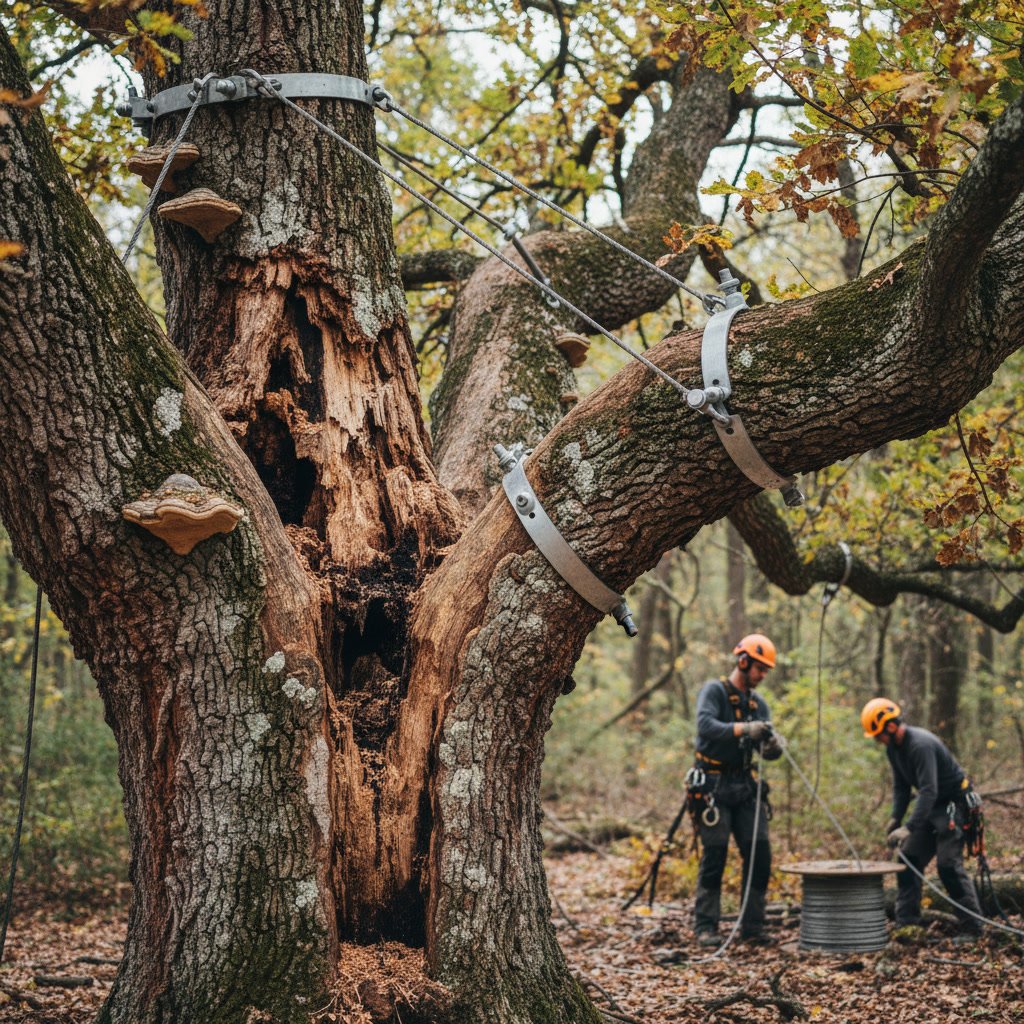
Growth regulators work best as part of a broader tree health strategy, not as a standalone solution. Regular monitoring ensures the treatment is producing desired results without negative side effects. Combining growth control with proper fertilization, tree pruning or trimming when structurally necessary, and pest monitoring creates the most sustainable long-term outcome.
For newly planted trees, waiting until establishment is complete before introducing growth regulators prevents interference with root development during critical early years. Similarly, trees scheduled for tree removal or transplanting should not receive applications that will not provide lasting benefit.
Documentation of application dates, products used, and observed responses helps refine future treatment schedules. What works well on one property may require adjustment on another based on soil conditions, exposure, and individual tree vigor.
Environmental and Safety Considerations
Modern growth regulators have relatively low environmental impact when applied according to label directions. Most formulations break down in soil within weeks to months and do not persist in groundwater. Still, applicators must follow buffer zone requirements near water bodies and avoid spray drift onto non-target plants.
The reduced need for pruning equipment and truck traffic also decreases fuel consumption and soil compaction around treated trees. Fewer pruning cycles mean less green waste requiring disposal or chipping, reducing the overall carbon footprint of tree maintenance programs.
Safety data sheets specify personal protective equipment and handling procedures. Professional application ensures compliance with state pesticide regulations and protects both the applicator and surrounding property from exposure.
Making Growth Regulators Work for Your Property
Growth regulators solve specific problems but are not appropriate for every tree or situation. The best candidates are healthy trees in locations where repeated pruning is expensive, dangerous, or impractical. Trees near structures, under utility lines, or in areas with limited access benefit most from the technology.
Cost-benefit analysis should account for the full cycle of treatments and pruning visits over a five-year period. A single application rarely makes financial sense, but a program of periodic treatments combined with reduced pruning frequency often delivers clear savings alongside improved tree health and safety.
Working with experienced arborists familiar with local tree species and growing conditions ensures proper product selection and application timing. TEK 22 Tree Service evaluates difficult tree situations and recommends solutions tailored to your specific property challenges, whether that involves growth regulation, structural support, or strategic pruning schedules.
If you are managing trees in tight spaces where access is limited and costs keep climbing, growth regulation may offer the control you need without the recurring expense of constant pruning. TEK 22 Tree Service handles the hard-to-reach trees that other companies quote a small fortune to maintain. Call (607) 237-5153 to discuss how growth regulators and comprehensive tree care can reduce your maintenance burden while keeping your property safe and attractive.