
After a tree comes down, the stump that remains can become a yard obstacle, safety hazard, or breeding ground for pests. Understanding the different tree stump removal methods helps you choose the most effective approach for your property and budget. Each technique offers distinct advantages depending on stump size, location, soil conditions, and how quickly you need the space cleared.
Why Leftover Stumps Create Problems in Your Landscape
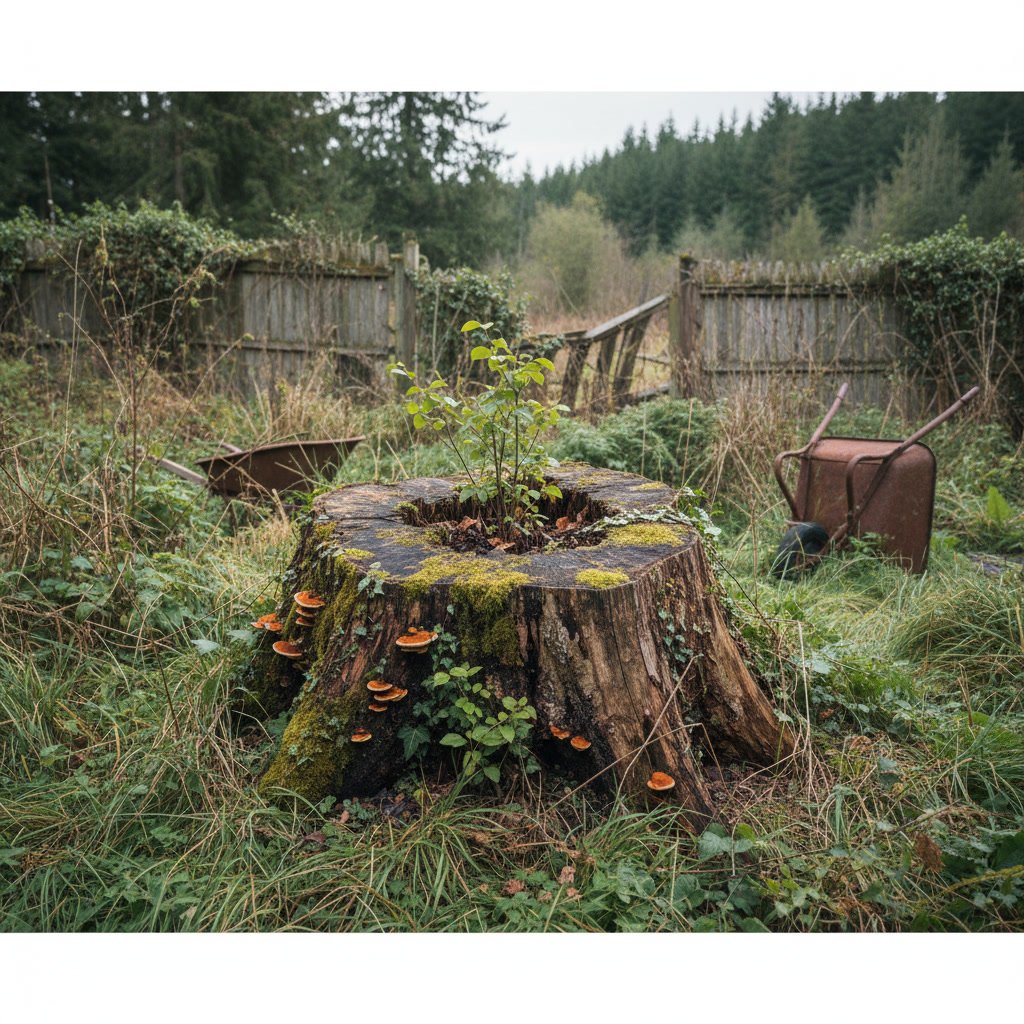
A tree stump left in place starts decomposing slowly, attracting termites, carpenter ants, and wood-boring beetles that can eventually migrate to healthy trees or structures. The decaying wood also encourages fungal growth that spreads through root systems underground. Stumps obstruct mowing patterns, create tripping hazards, and take up valuable planting space. Many homeowners discover these issues only after attempting to install a fence line, garden bed, or patio extension.
What Happens When You Ignore a Stump After Tree Removal
Stumps left untreated send up new shoots called suckers, drawing energy from remaining roots and creating clusters of weak growth around the base. These shoots require repeated cutting and never develop into healthy trees. The underground root system continues spreading for months, potentially damaging nearby foundations, sidewalks, or underground utilities. Some species produce roots that extend three times the width of the original canopy. If you recently completed tree removal, addressing the stump quickly prevents these complications.
Mechanical Grinding: The Most Common Professional Approach
Stump grinding uses a motorized machine with a rotating cutting wheel that chips away wood below ground level. Professional grinders remove stumps down to 8 to 12 inches beneath the surface, turning the entire stump into mulch in 30 minutes to two hours depending on diameter. This method works for stumps of any size and leaves a pile of wood chips that can amend soil or fill the resulting hole. Grinding does not remove the root system entirely, but roots left underground decompose naturally without resprouting.
The process creates significant wood debris and requires clear access for equipment weighing 500 to 1,000 pounds. Operators check for buried utilities, rocks, and metal fasteners before starting, since contact with hard materials damages carbide teeth on the cutting wheel. Most residential stumps cost between 100 and 400 dollars to grind, based on diameter and accessibility.
Manual Digging and Root Cutting for Smaller Stumps
Stumps under 12 inches in diameter can sometimes be removed manually using shovels, axes, and a pry bar. The process involves digging a trench around the stump to expose major roots, cutting them with a reciprocating saw or axe, and levering the stump free once the root ball loosens. This method demands significant physical effort and works best in loose, sandy soil rather than clay or rocky ground.
Manual removal extracts the entire root ball, leaving a large hole that must be backfilled with topsoil. The technique avoids equipment rental costs but typically takes four to eight hours of labor for a single stump. Roots often extend farther than expected, and larger taproots may require cutting below the stump base.
Chemical Decomposition: The Slowest But Simplest Method
Chemical stump removers use potassium nitrate or high-nitrogen compounds to accelerate decay. The process involves drilling vertical holes into the stump surface, filling them with granular product, and adding water to activate the chemicals. Over six to eight weeks, the softened wood becomes porous enough to break apart with an axe or shovel. Some stumps require a second application before removal becomes practical.
This method avoids noise, equipment, and immediate labor but demands patience. The stump remains visible during decomposition and continues attracting insects. Chemical treatments work poorly on fresh stumps with active sap flow and may harm surrounding plants if runoff spreads beyond the treatment zone. The technique suits homeowners comfortable waiting months for results and willing to monitor the process.
Burning: A Controlled Removal Option With Restrictions in Owego
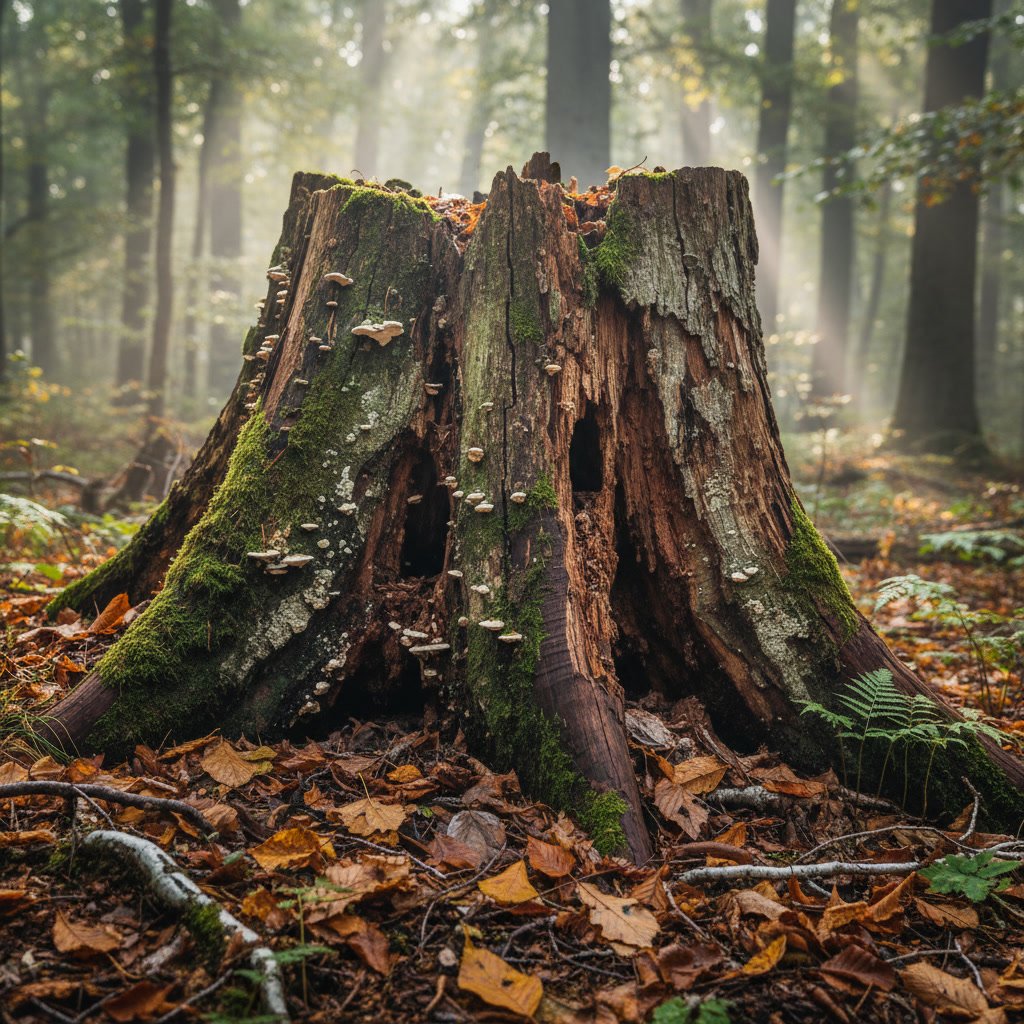
Stump burning involves drilling holes, adding kerosene or specialized stump-burning products, and igniting the wood to burn it down below ground level. The process can take 12 to 24 hours of smoldering combustion. Most municipalities including areas around Owego restrict or prohibit open burning due to fire hazards, air quality concerns, and proximity to structures. Always verify local ordinances before attempting this method.
Burning leaves ash and charred roots that must be excavated, and the heat can sterilize surrounding soil for months. The technique works only for dry stumps in open areas far from buildings, fences, and overhead branches. Wet or green wood will not sustain combustion. Professionals rarely recommend burning due to liability and environmental considerations.
Comparing Speed, Cost, and Cleanup Across Methods
Grinding offers the fastest turnaround and immediate results, with minimal site disturbance beyond wood chips that double as mulch. Manual removal produces no debris but requires substantial physical effort and leaves a large excavation. Chemical decomposition costs the least upfront but extends the timeline to months and still requires final extraction. Burning demands constant supervision, creates smoke and ash, and faces regulatory limits in most residential areas.
For stumps larger than 18 inches in diameter, grinding remains the only practical option. Smaller stumps under 10 inches may justify manual removal if soil conditions cooperate. Chemical treatments suit remote stumps where appearance during decomposition does not matter. The right choice depends on your timeline, budget, and whether you need the area replanted immediately.
How Stump Location Influences Removal Strategy
Stumps near structures, utility lines, or property boundaries often require precision grinding to avoid damage. Equipment access determines whether full-size grinders or compact models fit the space. Stumps in lawn areas benefit from grinding that minimizes turf disturbance, while those in future construction zones may justify excavation that removes the entire root system. Slopes and uneven terrain limit equipment mobility and may increase costs.
Hard-to-reach stumps behind fences, within gated areas, or surrounded by landscaping sometimes require manual removal or specialized compact grinders. TEK 22 Tree Service handles difficult access scenarios that other companies avoid, using equipment appropriate to site constraints. Always assess access before scheduling removal to ensure the chosen method fits your property layout.
When to Remove the Roots Versus Leaving Them Underground
Complete root extraction makes sense when installing foundations, pools, or underground utilities where decomposing wood could create voids or settling. For general landscaping, lawn care, or planting beds, grinding the stump and leaving roots to decay naturally proves sufficient. Roots break down over one to three years, depending on species and soil moisture, without resprouting if the stump is ground below the surface.
Some species like black walnut release allelopathic chemicals during decomposition that inhibit nearby plant growth. In these cases, removing as much root mass as possible reduces the effect. Your arborist can identify species-specific concerns and recommend appropriate removal depth. If you plan to replant in the same spot, grinding eight to 12 inches deep provides enough clearance for new root development.
Preparing Your Yard for Professional Stump Removal
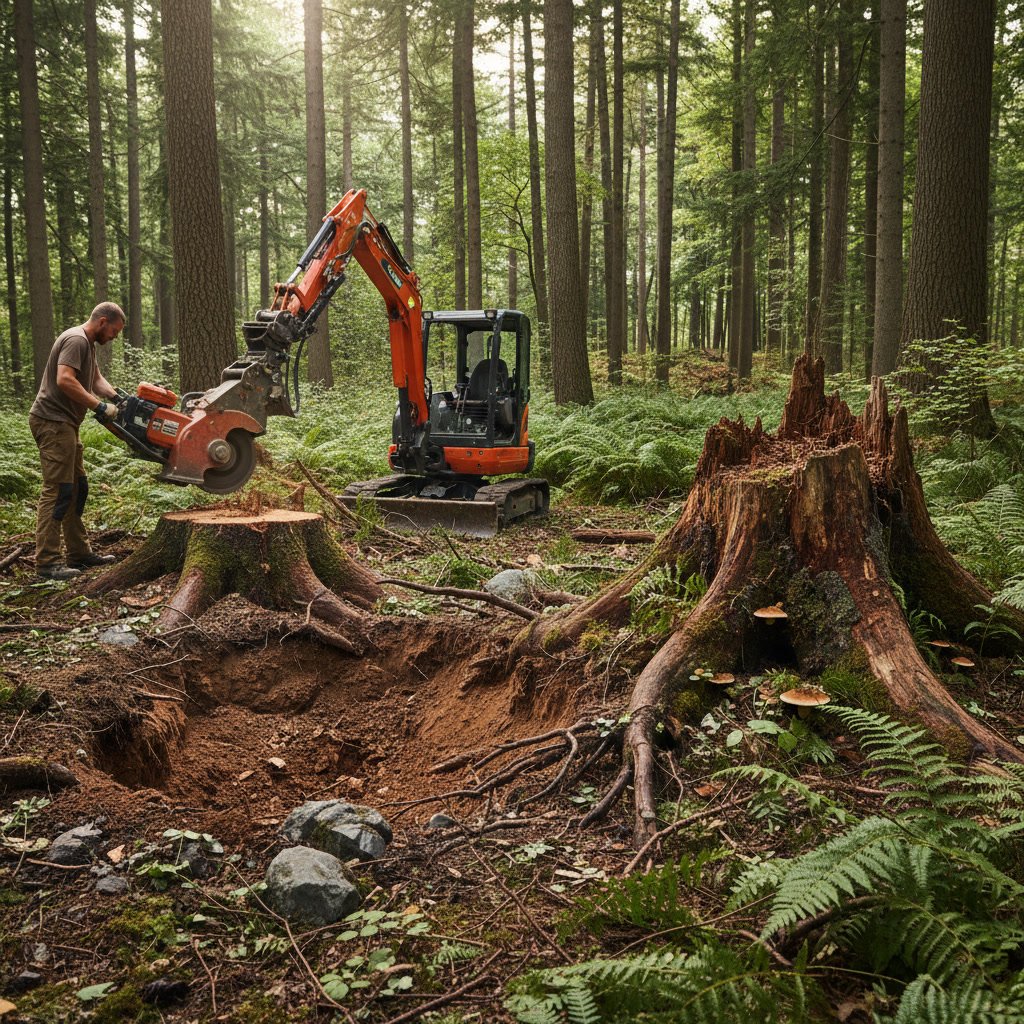
Clear a 10-foot radius around the stump, removing rocks, hoses, toys, and portable lawn decorations. Mark any sprinkler heads, buried lines, or shallow roots from nearby trees. If the stump sits close to a fence or building, measure clearance and communicate this to your service provider. Some companies request that you call 811 to locate underground utilities before arrival, while others handle this step as part of their process.
Plan for disposal of wood chips if you don’t want them left on site. Most services include chip removal for an additional fee or spread them as mulch around existing beds. Verify what the quoted price covers, including whether it includes backfilling the hole with topsoil. After tree stump removal, the area may settle slightly as chips decompose, requiring a second application of soil before planting or seeding.
Restoring Your Yard After the Stump Is Gone
The hole left by grinding or excavation should be filled with topsoil mixed with compost to support new growth. Tamp the soil lightly to reduce future settling but avoid compacting it so heavily that roots cannot penetrate. If you seed grass over the area, keep it moist for two to three weeks during germination. For planting shrubs or tree planting, wait several weeks after backfilling to allow the soil to stabilize.
Wood chips from grinding can be spread around acid-loving plants like azaleas and blueberries but should not be incorporated directly into vegetable gardens until they age for six months. Fresh chips tie up nitrogen during decomposition. If you prefer a clean slate, many homeowners use chips as pathway mulch or add them to municipal yard waste programs.
Choosing the Right Method for Your Property and Timeline
Evaluate stump size, location, budget, and how soon you need the space available. Grinding delivers immediate results with minimal disruption, making it ideal for most residential situations. Manual removal suits small stumps in accessible areas where you want the root system gone entirely. Chemical treatments work for patient homeowners dealing with remote stumps where appearance during the process does not matter. Burning remains impractical and often prohibited in residential zones.
Professional assessment identifies hidden obstacles like buried cables, nearby septic systems, or root entanglement with other trees that affect method selection. An experienced arborist also checks whether the stump shows signs of disease or pest infestation that could spread if left untreated. Understanding these factors before starting saves time and prevents costly mistakes.
TEK 22 Tree Service provides expert stump removal for properties throughout Owego and surrounding areas, handling challenging access situations and stumps that others consider too difficult. Whether you need a single stump ground or an entire yard cleared for new construction, our team delivers efficient solutions tailored to your specific property conditions. Call +16072375153 to schedule an assessment and receive a detailed quote for your project.